

To sell on Walmart Marketplace in 2026, you need to apply to sell on Walmart Marketplace and get approved as a third-party seller.
Walmart requires a registered business with valid tax and business documentation, and eligible international sellers may also apply if they meet Walmart’s requirements.
You will also need to provide business details, a product catalog with GTINs (Global Trade Item Numbers), and demonstrate your ability to handle reliable order fulfillment.
Once you are approved, you will sign the retail agreement and complete your profile and payment setup.
Next, you will choose your fulfillment method, either self-fulfillment or Walmart Fulfillment Services (WFS).
After completing onboarding, payment setup, shipping settings, and item setup in Seller Center, your account can move toward going live on Walmart Marketplace.
Why You Should Sell on Walmart Marketplace in 2026
Walmart Marketplace gives sellers access to a large and growing online customer base. Walmart’s trusted brand boosts product visibility and customer confidence, helping increase sales.
With its growing online presence and integration with physical stores, Walmart provides a seamless shopping experience that connects you to more customers, both online and in-store.
Walmart Marketplace gives sellers the tools to manage inventory, advertise products, and boost sales, making it a great platform for growth.
Key Takeaways
Here’s a quick overview of the most important things to know about selling on Walmart Marketplace in 2026:
- Easy Access to Millions of Customers: Walmart Marketplace offers access to millions of active shoppers every month, making it a prime platform for reaching new customers.
- Steps to Get Started: To get started, make sure you meet Walmart’s requirements, such as providing your business details and demonstrating reliable order fulfillment. Then, submit your product catalog and GTINs to ensure your products are listed correctly.
- Fulfillment Options: Walmart provides flexible fulfillment methods, including self-fulfillment or using Walmart Fulfillment Services (WFS), which can improve your delivery speed and customer experience.
- Comprehensive Tools for Sellers: Walmart Marketplace offers advertising and promotional tools, as well as advanced analytics, to help you optimize product listings and increase sales.
- Omnichannel Opportunities: Walmart’s integration of online and in-store shopping gives sellers unique opportunities to expand their customer base and improve visibility.
This guide covers everything you need to sell on Walmart Marketplace in 2026, from account setup to optimizing your listings. With the right strategies, you can tap into Walmart’s vast customer base and grow your business.
Let’s get started and explore how you can make the most of Walmart Marketplace in 2026!
How Do You Set Up a Walmart Marketplace Seller Account?
Setting up a seller account on Walmart Marketplace is a structured process managed through the Walmart Seller Center. Understanding the Walmart Marketplace approval process helps you prepare the required documents, meet eligibility criteria, and move smoothly through each step without unnecessary delays. The steps below walk you through the complete setup process from eligibility to store launch.
Step 1: Meet Walmart’s Eligibility Requirements
Before you apply, ensure you meet Walmart’s eligibility criteria. This includes having a U.S.-based business, a valid tax ID (EIN), and a track record of e-commerce success. You’ll also need to prove that you can reliably fulfill orders.
Step 2: Complete the Application Process
Once you’ve confirmed your eligibility, go to the Walmart Marketplace registration page and start your application. You will be asked to provide key business information such as your company name, tax identification number (EIN), and contact details.
You will also need to submit a product catalog with GTINs (Global Trade Item Numbers) for your products. This ensures that your products are listed correctly on Walmart Marketplace.
Step 3: Provide Business and Financial Information
Next, you’ll need to enter details about your business, including banking information for payments and a valid credit card. Walmart requires this information to process payments and handle transactions securely.
Step 4: Set Up Your Seller Profile
After the basic business information is submitted, you’ll set up your seller profile. This includes uploading a company logo, writing a short description of your business, and setting up your store’s policies, such as shipping, returns, and customer service.
Step 5: Choose Your Fulfillment Method
Choose how you’ll fulfill orders: self-fulfillment or Walmart Fulfillment Services (WFS). If you choose WFS, Walmart will store, pack, and ship your products for you, while self-fulfillment means you handle all logistics yourself.
Step 6: Agree to Walmart’s Terms and Conditions
Before you can start selling, you will need to review and agree to Walmart’s Retailer Agreement. This agreement outlines the terms, responsibilities, and policies you’ll need to follow while selling on the platform.
Step 7: Launch Your Store
Once everything is set up, request to launch your store. After approval, your Walmart Marketplace account will be live, and you can begin listing products for sale to millions of customers.
What Are the Key Walmart Marketplace Seller Requirements?
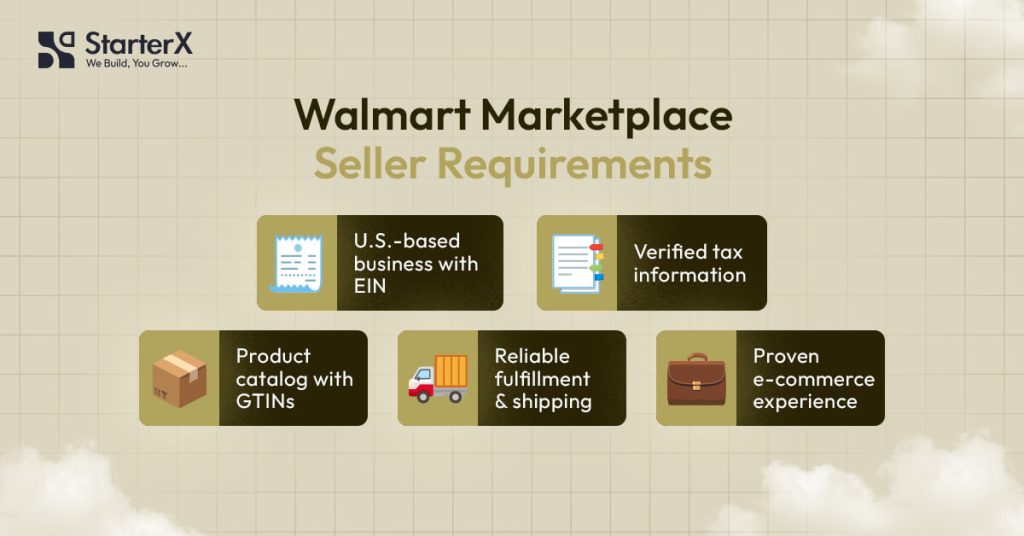
Before you start selling on Walmart Marketplace, it’s important to understand the key requirements that Walmart sets for all its third-party sellers. Meeting these criteria will ensure you have a smooth setup and can maintain a positive standing on the platform.
1. Business and Tax Information
To sell on Walmart Marketplace, you need to have a U.S.-based business with a valid tax ID (EIN). This ensures your business complies with federal tax laws and is eligible to sell on the platform. Walmart will require you to provide business registration details and confirm your legal standing as a business entity.
2. Proven E-commerce Experience
Walmart typically prefers sellers who have experience in e-commerce or a strong track record in online retail. While Walmart doesn’t require an extensive sales history, they want sellers who understand online commerce, customer service, and order fulfillment.
3. Product Catalog with GTINs (Global Trade Item Numbers)
Your products must be listed with accurate GTIN standards from GS1, such as UPC codes, EANs, or ISBNs. These codes help Walmart identify your products correctly and ensure that they’re searchable and listed accurately on the platform. Having GTINs ready is critical for product listings, especially for physical goods.
4. Reliable Order Fulfillment
Walmart expects sellers to have the ability to fulfill orders reliably and quickly. This includes maintaining on-time shipping, offering order tracking, and providing accurate inventory levels. You must demonstrate that you can manage your inventory effectively and handle customer orders promptly.
5. Customer Service Standards
Walmart has high expectations when it comes to customer service. You will need to ensure that you meet their response times for customer inquiries and handle returns and refunds in a timely manner. Walmart values sellers who maintain positive customer relationships and provide a reliable shopping experience.
6. Performance Standards
Walmart sets performance standards to help ensure that all sellers offer high-quality products and services. This includes maintaining strong seller performance metrics such as low cancellation and refund rates, on-time delivery, valid tracking, and accurate product listings. If you fail to meet these standards, Walmart may suspend or deactivate your account.
7. Compliance with Walmart’s Policies
Sellers must follow Walmart’s policies and guidelines, which cover a wide range of topics, including pricing, shipping practices, product safety, and advertising. Non-compliance with these rules can lead to penalties or account suspension. Always stay up to date with Walmart’s policies to avoid any issues.
How Do You List Products Effectively on Walmart Marketplace?
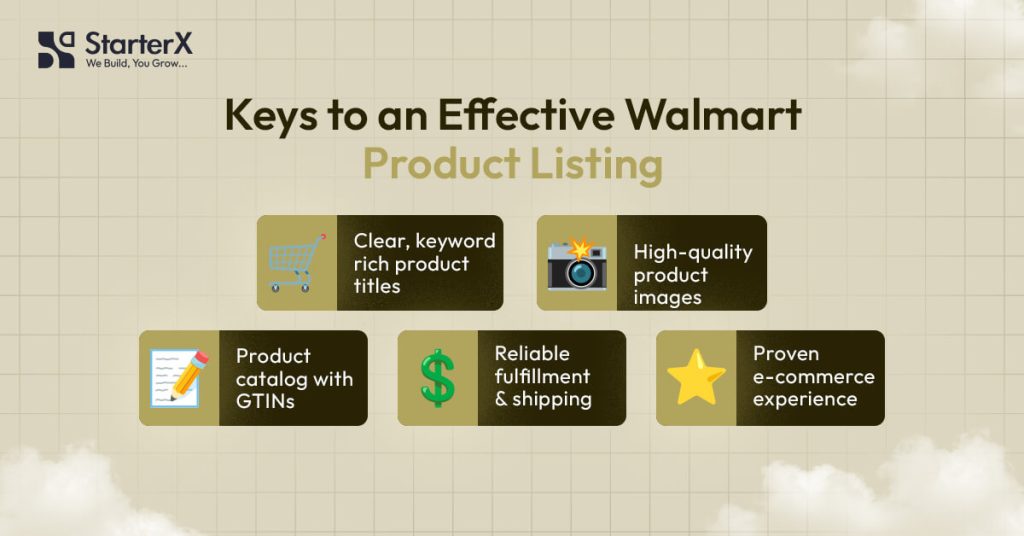
Listing products effectively on Walmart Marketplace is key to getting your items noticed and driving sales. The process requires attention to detail, ensuring that your listings are optimized for search visibility, clarity, and customer engagement.
At the same time, avoiding common Walmart seller mistakes like missing attributes, poor images, or incorrect categorization can make a significant difference in how your products perform. Here’s how to list your products in a way that maximizes their chances of being discovered and purchased.
1. Create High-Quality Product Titles
Your product title is one of the first things shoppers will see, so it’s important to make it clear, concise, and keyword-rich. Walmart recommends following a structured format for product titles. Include the brand name, product type, key features, and size (if applicable). Make sure to use relevant keywords that customers might search for, but avoid keyword stuffing.
Example:
“Sony Noise Cancelling Headphones – Over-Ear, Wireless, Bluetooth – Black”
2. Use Accurate and Detailed Product Descriptions
A detailed and accurate product description helps customers understand what you’re selling and why it’s a great choice. Highlight key features, specifications, and benefits in a clear, engaging way.
Focus on clarity and avoid jargon. Be honest and provide all the relevant details customers need to make informed buying decisions, such as materials, dimensions, usage instructions, and any safety information.
Tip: Make your descriptions easy to read by using short paragraphs and bullet points to break up large blocks of text.
3. Add High-Quality Images
Walmart Marketplace allows you to upload multiple product images. High-quality images are crucial to attract customers and build trust. Use clear, well-lit photos that showcase the product from different angles. If applicable, include images of the product in use or provide lifestyle shots to help customers visualize how it fits into their lives.
Walmart recommends a white background for the main image to maintain consistency and improve the professional appearance of your listing. Avoid using promotional text or watermarks on your images.
4. Categorize Products Correctly
Proper categorization is key to making sure your products show up in relevant searches. Walmart’s catalog has thousands of categories, so choosing the right one is essential. A well-categorized product is more likely to be discovered by customers browsing specific categories.
Tip: Use Walmart’s Category ID Finder to select the most accurate category for your products. This ensures that your listings are positioned correctly within Walmart’s search algorithm.
5. Include Product Variations
For products with different sizes, colors, or styles, group them together as variations. Walmart allows you to create a single product listing with multiple variations, improving user experience and making it easier for customers to find what they need.
For example, if you sell clothing, list all color and size variations under one main listing. This keeps the page neat, makes it easier for customers to navigate, and can improve search ranking.
6. Optimize for Search with Relevant Keywords
Keyword optimization is a key part of product listing success. Think about what terms your potential customers might search for and include them naturally in your product title, description, and bullet points. Use a mix of short-tail and long-tail keywords to ensure you’re covering a wide range of search queries.
Tip: Avoid keyword stuffing. Your descriptions should still read naturally and make sense to the customer.
7. Set Competitive Pricing
Pricing is a key factor in driving sales, and Walmart closely monitors price competitiveness, so sellers should keep prices aligned with market conditions to maintain visibility and sales performance. However, you should still be proactive by keeping your prices competitive and ensuring they are in line with market standards.
Be transparent about any additional fees, such as shipping costs or handling charges. Offering free shipping or discounts can also increase the attractiveness of your listings.
8. Provide Accurate Inventory and Stock Levels
Keeping track of your inventory is essential to avoid overselling products. Walmart requires that sellers update their stock levels regularly to prevent listing products that are out of stock. Accurate inventory management ensures that customers only see products that are available for immediate purchase, preventing issues like order cancellations and poor customer experiences.
How Do You Manage Payments and Sales Tax on Walmart Marketplace?
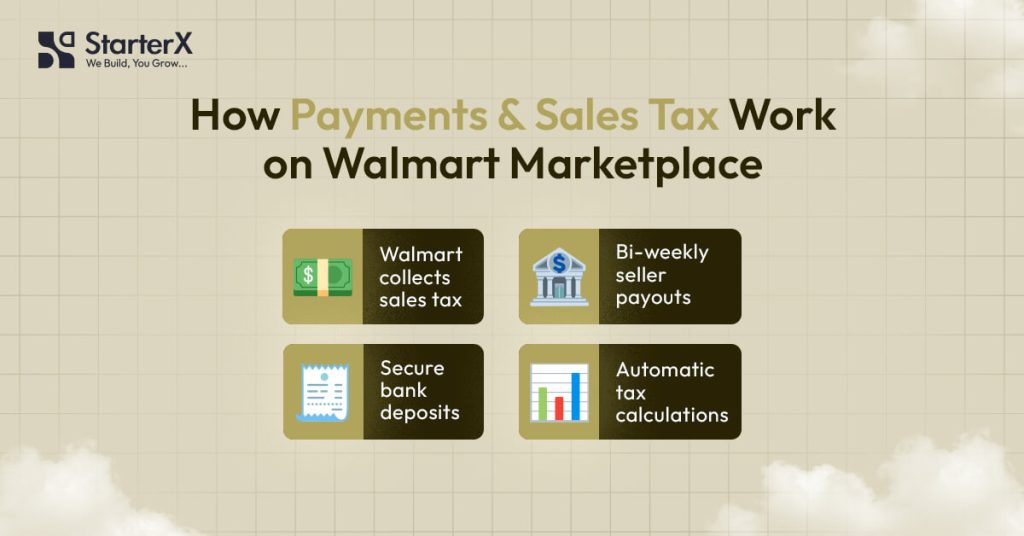
Managing payments and sales tax effectively on Walmart Marketplace is crucial for maintaining smooth operations and staying compliant with tax laws.
Here’s a guide to help you navigate the payment process and ensure you’re handling sales tax correctly.
1. Setting Up Payment Methods
Once you’re approved as a seller on Walmart Marketplace, you’ll need to set up your payment method to receive payouts for the sales you make. Walmart pays sellers on a bi-weekly basis, and you’ll receive your payments directly into the bank account you provide during the setup process.
To set up your payment method:
- Provide Bank Account Information: You’ll need to enter your business bank account details, including the account number and routing number. This ensures that your payments are processed correctly.
- Payment Verification: Walmart may also require verification of your bank account to ensure everything is set up securely and accurately.
Once your account is verified, payments will be processed automatically based on your sales volume. Walmart will deduct any applicable fees from your total sales before sending the payment to your account.
2. Understanding Walmart’s Fee Structure
Walmart Marketplace charges a referral fee based on the category of the product being sold. The fee percentage varies by category and is typically deducted from the sale price before payment is processed.
- Referral Fees: These fees are a percentage of the total sale price, including shipping. Be sure to review Walmart’s fee schedule to understand what fees apply to the categories you sell in.
- Other Fees: Walmart may charge additional fees for specific services, such as Walmart Fulfillment Services (WFS), if you opt for this fulfillment method.
Make sure to factor these fees into your pricing strategy to ensure you’re covering all costs and maintaining profitability.
3. Sales Tax Management
Sales tax can be complicated, as it varies by state and even by the type of product you’re selling. Fortunately, Walmart simplifies sales tax collection for sellers by automatically calculating and collecting sales tax on eligible orders based on the buyer’s location.
However, there are still steps you need to take to ensure everything is set up correctly:
- Sales Tax Settings: When you first set up your Walmart Marketplace account, you’ll need to configure your sales tax settings. Walmart will then automatically calculate the appropriate sales tax for each order based on the shipping address and the applicable tax rate.
- Taxability of Products: Keep in mind that not all products are taxable in every state. Walmart uses an extensive database to determine which products are subject to sales tax and in which states. You should verify that your product listings are accurately classified to avoid any discrepancies.
- Exemption Certificates: If you are selling products to tax-exempt organizations, you may need to handle sales tax exemptions. Walmart provides the option to apply exemption certificates to orders when applicable.
- Sales Tax Reporting: Walmart provides a sales tax report to help you track the tax collected from each transaction. This will be useful when filing your tax returns and ensuring compliance with local tax laws.
4. Filing and Remitting Sales Tax
Walmart’s official sales-tax collection guidance says Walmart remits qualifying marketplace sales tax. Walmart will provide you with the necessary tax documentation, including reports and the amount of sales tax collected on your behalf. Be sure to check the tax filing requirements in your state and follow the procedures for submitting sales tax.
- Stay Compliant: Ensure that you comply with local tax laws by filing and remitting taxes on time to avoid any penalties.
- Tax Automation: Walmart’s tax system helps simplify the process, but you may want to consider using a third-party tax automation service for additional support, especially if you’re selling in multiple states with different tax rates.
What Are the Best Marketing and Promotion Strategies for Walmart Marketplace?
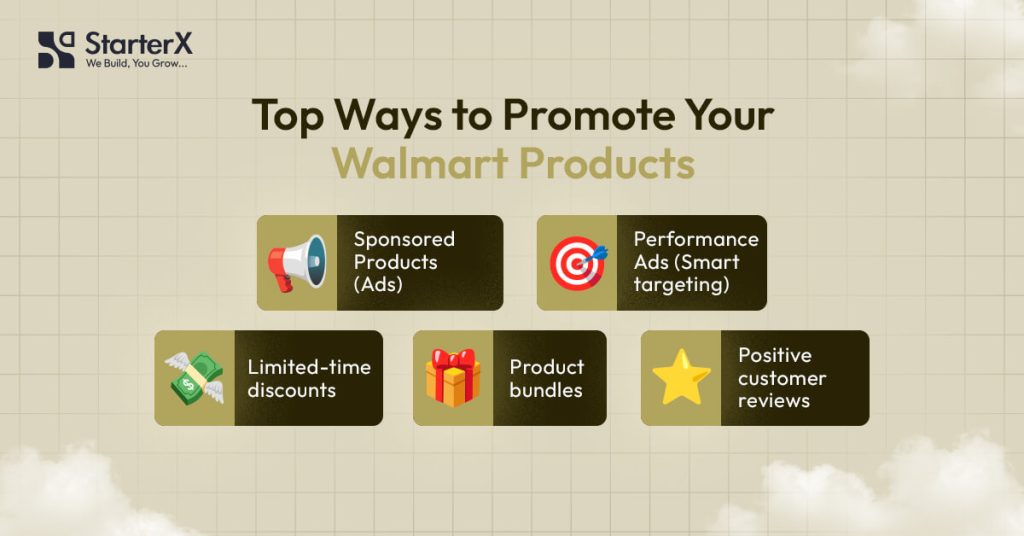
Marketing and promoting your products effectively on Walmart Marketplace is essential to boost visibility, increase traffic, and drive sales. Walmart supports this through the Walmart Connect advertising platform, which gives sellers access to multiple paid and organic promotion options. Many growing brands also rely on Walmart marketing services to manage campaigns, improve visibility, and scale their performance more efficiently.
Applying proven Walmart advertising strategies helps improve product visibility, attract high-intent shoppers, and increase conversion potential. Here’s how to use these options effectively:
1. Leverage Walmart Sponsored Products
Walmart Sponsored Products is a powerful pay-per-click (PPC) advertising program that helps you promote your products directly to customers. By bidding on relevant keywords, you can increase the visibility of your products in search results. Many sellers also use Walmart PPC services to manage campaigns more effectively, especially when scaling or optimizing performance across multiple products.
- How it works: When a customer searches for products related to your keywords, your products appear as sponsored ads at the top of the search results or on product pages.
- Targeting: You can target keywords that are relevant to your products, ensuring your ads reach the right audience.
- Bid Strategy: Choose a budget and bid amount for each keyword. The higher the bid, the more likely your product will appear in front of potential customers.
- Benefits: This advertising strategy allows you to reach customers who are actively looking for products similar to yours, improving your chances of making a sale.
Tip: Regularly review your ad campaigns to optimize your bid strategy and budget for maximum ROI.
2. Use Walmart Performance Ads
Use Walmart Connect advertising options such as Sponsored Products and other available campaign formats to increase visibility and drive sales. These ads are optimized using Walmart’s AI-powered tools to automatically adjust and optimize campaigns based on product performance.
- How it works: Performance Ads analyzes your product data, such as sales and customer behavior, to adjust bids and improve ad performance. The system automatically tweaks campaigns to maximize results based on key metrics, such as click-through rate (CTR) and conversion rate.
- Automation: With Walmart’s AI-driven automation, you don’t have to manually adjust bids. The system makes real-time decisions to increase your chances of appearing in front of the right audience.
- Targeting: Walmart’s performance ads use dynamic targeting, which helps ensure your products are shown to customers who are more likely to make a purchase.
Tip: Keep track of your ad performance and adjust your product listings and ad strategy for even better results.
3. Create Special Offers and Promotions
Promotions are an excellent way to drive more traffic to your Walmart Marketplace listings and encourage customers to make a purchase. Walmart provides several tools to help you create compelling offers.
- Discounts: You can offer percentage-off or dollar-off discounts to attract customers. For example, offering a 10% discount or $5 off the regular price can incentivize shoppers to buy.
- Bundles: Offering product bundles is another great strategy. You can bundle complementary products together at a discount to increase the average order value. For instance, a camera bundle that includes a lens, case, and memory card may attract buyers looking for a complete package.
- Limited-Time Deals: Flash sales or limited-time discounts create urgency and encourage customers to make a purchase before the offer expires.
Tip: Always highlight your promotions in your product titles, descriptions, and ads so customers know about the special offers when browsing.
4. Optimize Your Product Listings for Search
Search engine optimization (SEO) plays a crucial role in getting your products discovered on Walmart Marketplace. Optimizing your listings helps you rank higher in Walmart’s search results, increasing the chances of your products being found by potential customers. Many sellers also use Walmart SEO services to refine their listings, improve keyword targeting, and stay competitive as the marketplace grows.
- Title Optimization: Use relevant keywords in your product titles that match customer searches. Keep your titles clear, concise, and keyword-rich without overstuffing.
- Description and Bullet Points: Include detailed product descriptions with keywords that explain the features and benefits of your products. Bullet points can make it easier for customers to scan through key details.
- High-Quality Images: Walmart values clear and high-quality product images. Use multiple images that showcase the product from different angles. Lifestyle images that show your product in use can also boost engagement.
Tip: Focus on customer intent when choosing your keywords and always make sure your listing is as detailed and accurate as possible.
5. Engage with Walmart’s Customer Reviews
Customer reviews are a powerful marketing tool that can influence buying decisions. Positive reviews help build credibility and trust, while negative reviews provide valuable feedback for improvement.
- Encourage Reviews: After a purchase, encourage customers to leave a review. Responding to reviews shows that you value customer feedback and helps build a positive brand image.
- Handle Negative Reviews Gracefully: Address any negative reviews with professionalism and a willingness to resolve issues. This shows prospective buyers that you care about customer satisfaction.
Tip: Actively monitor your reviews and engage with your customers to maintain a strong reputation and increase customer trust.
6. Take Advantage of Walmart+
Walmart+ can influence shopper behavior through benefits like convenience and free delivery, so sellers with competitive offers and strong fulfillment may benefit indirectly. Walmart+ members receive benefits such as free delivery and discounts, which can incentivize them to buy from your store.
- Offer Free Shipping: If possible, offer free shipping to attract Walmart+ members who prioritize convenience and low shipping costs.
- Targeting Walmart+ Customers: Although there are no direct ad programs targeting Walmart+ members, having competitive prices and offering value-added benefits can help you attract these loyal customers.
Tip: Leverage Walmart+ to attract customers who are already committed to the platform and more likely to make repeat purchases.
How Can You Provide Excellent Customer Service on Walmart Marketplace?
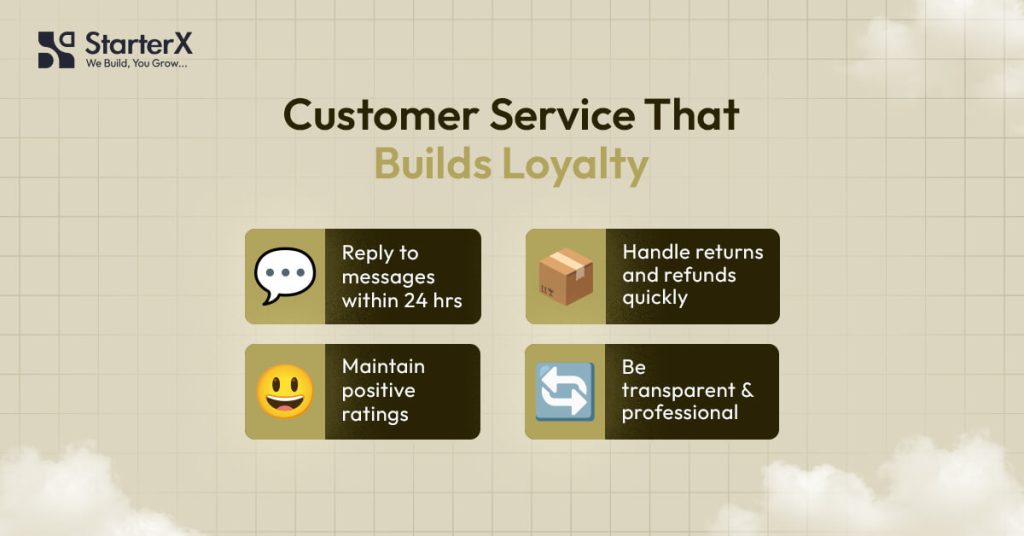
Excellent customer service is key to building trust with your customers and maintaining a positive reputation on Walmart Marketplace. Here’s a step-by-step guide to ensure you’re offering top-notch service:
Step 1: Respond Quickly to Customer Inquiries
- Aim to respond to customer inquiries within 48 hours.
- Provide clear, helpful, and accurate responses to ensure customers feel valued and informed.
- Address concerns politely and professionally to keep the conversation productive.
Pro Tip: Use templates for frequent questions, but make sure to personalize responses when needed to maintain a friendly, human touch.
Step 2: Handle Returns and Refunds Efficiently
- Be transparent: Make sure your return policy is clear, easy to find, and explains the return window, conditions, and process.
- Process returns quickly and issue refunds within 3-5 business days of receiving the returned item.
- Use Walmart’s Returns Center to handle returns efficiently and keep customers informed.
Pro Tip: Offer prepaid return labels to make returns easier for customers, improving their experience with your store.
Step 3: Provide Accurate and Detailed Product Listings
- Write detailed product descriptions that include key features, dimensions, and usage instructions.
- Use high-quality images that show products from multiple angles and in use to give customers a clear understanding of what they’re buying.
- Regularly update listings if there are any changes to product details, such as availability or features.
Pro Tip: Accurate listings reduce the chances of negative reviews and returns due to misunderstandings.
Step 4: Offer Free and Reliable Shipping
- Ship products on time and meet your estimated delivery times to set proper expectations for customers.
- Consider offering free shipping as an incentive to attract more customers.
- If using Walmart Fulfillment Services (WFS), ensure that your products are stored, packed, and shipped according to Walmart’s standards for fast delivery.
Pro Tip: Even if you can’t offer free shipping, ensure your shipping fees are reasonable and clearly displayed.
Step 5: Maintain a Positive Seller Rating
- Deliver high-quality products consistently to encourage positive reviews.
- When you receive negative reviews, address the issue quickly, offering solutions like exchanges, refunds, or discounts.
- Encourage satisfied customers to leave positive reviews. This helps improve your visibility and reputation.
Pro Tip: Regularly monitor your reviews and engage with your customers to maintain a positive, proactive reputation.
Step 6: Keep Customers Informed Throughout the Process
- Send order confirmations immediately after a purchase so customers know their order is being processed.
- Provide shipping updates with tracking information to ensure customers are aware of the order’s status.
- If there are any delays or issues, notify customers promptly and offer a clear solution.
Pro Tip: Automate communication (e.g., shipping confirmation emails) to reduce manual effort and keep your customers in the loop.
How Do You Track Performance and Optimize Your Walmart Marketplace Strategy?
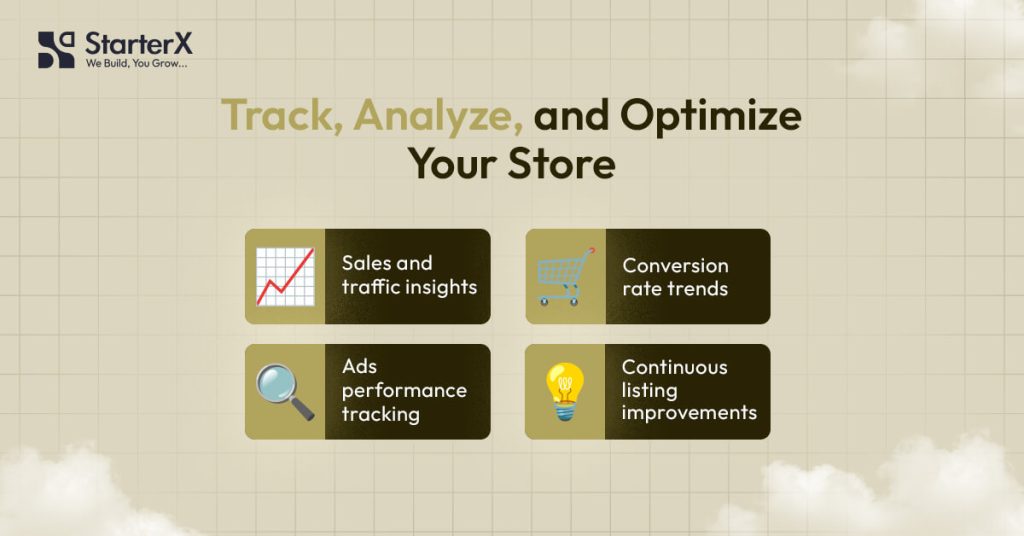
Tracking your performance and optimizing your strategy on Walmart Marketplace is essential to growing your business. By regularly reviewing key metrics, using available tools, and making data-driven decisions, you can identify areas that need improvement and make adjustments to increase sales, customer satisfaction, and profitability.
Step 1: Use Walmart’s Seller Hub to Monitor Key Metrics
The first step in tracking your performance is to use Walmart’s Seller Hub. This tool provides real-time insights into how well your store is doing.
You can check your total sales, average order value, and specific product data to understand your sales performance. Additionally, it helps you monitor customer feedback and response times, ensuring you meet Walmart’s customer service standards.
By also tracking inventory levels, you can avoid issues like overselling and stockouts, helping you keep customers satisfied and your store running smoothly.
Step 2: Analyze Your Traffic and Conversion Rates
After reviewing key metrics in the Seller Hub, you need to focus on your traffic and conversion rates.
Traffic refers to the number of visitors to your product pages. A high click-through rate (CTR) means your products are being noticed. However, a low conversion rate indicates that, despite the traffic, visitors aren’t making purchases.
To improve conversion rates, consider updating your product descriptions, images, or pricing strategy to better meet customer expectations. By continually optimizing these factors, you can increase the chances of turning page views into sales.
Step 3: Monitor Advertising Performance
Advertising on Walmart Marketplace through Sponsored Products or Performance Ads can significantly boost your visibility.
It’s essential to monitor the performance of these ads to ensure you’re getting the best return on your investment.
Look at metrics like CTR, cost-per-click (CPC), and return on investment (ROI) to evaluate how effective your ads are. If a campaign isn’t performing well, make adjustments to bid amounts, keywords, or targeting strategies to optimize results. Regularly reviewing and tweaking your ads will help you get the most out of your advertising budget.
Step 4: Analyze Customer Reviews and Feedback
Customer feedback is invaluable for identifying areas where you can improve.
Regularly monitoring customer reviews can help you understand what customers like about your products and what they feel could be improved. Positive reviews build trust, while negative ones can show areas that need attention.
If you receive negative reviews, it’s important to respond professionally and offer solutions, such as refunds or exchanges. This shows potential buyers that you care about customer satisfaction and are willing to resolve issues.
Encouraging satisfied customers to leave positive reviews can also increase your credibility and visibility on the platform.
Step 5: Optimize Product Listings Based on Performance Data
Once you’ve gathered performance data, use it to optimize your product listings.
Begin by reviewing your product titles, descriptions, and images. Ensure that they are updated regularly to reflect what’s working in the market. If you find that certain keywords are driving traffic, include them more prominently in your listings.
You should also adjust your pricing strategy based on competitor prices. Keeping your prices competitive while maintaining profitability is crucial for standing out in a crowded marketplace.
The more your listings are optimized for search visibility and customer engagement, the higher the chances you’ll see increased sales.
Step 6: Track Financial Performance and Manage Costs
Monitoring your financial performance is a key part of managing your Walmart Marketplace business.
Walmart charges various fees, including referral fees, shipping costs, and advertising fees, which all impact your profit margins.
By regularly reviewing these fees and calculating your profit margins, you can identify where to make adjustments to improve profitability. Walmart also offers a profitability calculator to help you estimate costs and optimize pricing decisions.
Ensuring that your pricing covers all expenses while keeping you competitive is essential for maintaining a healthy bottom line.
Step 7: Stay Informed with Walmart’s Seller Insights
Finally, to stay ahead of the competition, you must keep up with Walmart’s platform updates and new features.
Walmart regularly adds new tools and features, so staying informed about them is crucial for optimizing your sales strategy. As your store grows, managing all these moving parts manually can become time-consuming, which is why many sellers turn to Walmart automation services to streamline operations, improve efficiency, and focus on scaling instead of daily tasks.
Visit Walmart’s Seller Help Center and participate in webinars and training sessions to learn about the latest features and best practices. This helps you make the most of the resources available and adapt quickly to any changes that may affect your business.
How Do You Stay Updated with Changes on Walmart Marketplace?
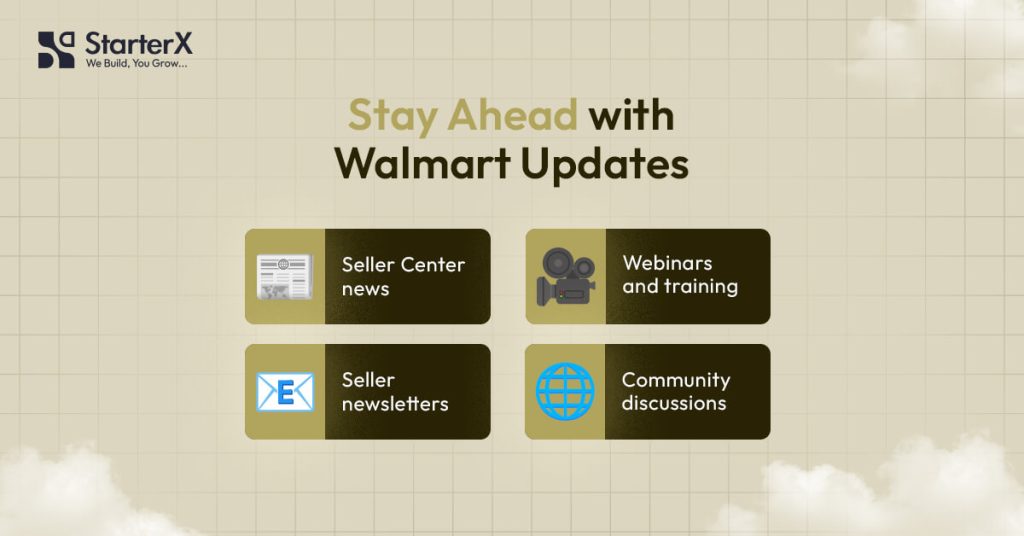
Staying updated with changes on Walmart Marketplace is essential for keeping your business running smoothly and adapting to new features, policies, and opportunities.
Walmart regularly updates its platform to improve the seller experience, introduce new tools, and enhance customer satisfaction. Here’s how you can stay informed about these updates:
1. Regularly Check the Walmart Seller Center
The Walmart Seller Center is your primary resource for updates on everything related to selling on Walmart Marketplace. It’s where you can access important notices about platform updates, policy changes, and new features.
- Why It Matters: Walmart posts important updates and news in the Seller Center to ensure sellers are aware of any platform changes.
- How to Do It: Log in to the Seller Center regularly to check for announcements, product updates, and policy revisions. Keep an eye on alerts and notifications from Walmart for any critical changes that may impact your business.
2. Follow Walmart Marketplace on Social Media
Walmart Marketplace actively engages with sellers on social media platforms like Twitter, LinkedIn, and Facebook. Following their official accounts can provide timely updates on new features, promotions, and changes.
- Why It Matters: Social media is often used to share real-time updates on platform improvements, new tools, and important news.
- How to Do It: Follow Walmart’s official Marketplace accounts to stay informed about changes. You can also join relevant seller groups or forums where other Walmart sellers share experiences and updates.
3. Participate in Walmart’s Seller Webinars and Training Sessions
Walmart offers webinars and training sessions designed specifically for Marketplace sellers. These sessions provide valuable insights into new tools, policies, and best practices for selling on Walmart.
- Why It Matters: Webinars and training sessions are a great way to learn about updates directly from Walmart experts. They often cover upcoming changes, new features, and optimization tips.
- How to Do It: Register for Walmart’s webinars and training sessions through the Seller Center or Walmart’s official website. These sessions provide an opportunity to ask questions and get clarification on new policies and tools.
4. Sign Up for Walmart’s Seller Newsletters
Walmart Marketplace sends out newsletters that include important updates, new features, and best practices for sellers. Subscribing to these newsletters is a great way to stay informed without having to actively search for updates.
- Why It Matters: Walmart’s newsletters are a direct line of communication to keep sellers up to date with platform changes, promotions, and policy updates.
- How to Do It: Visit Walmart’s Seller Center and subscribe to the newsletter to receive regular updates directly to your inbox. These newsletters often include tips, case studies, and news relevant to sellers.
5. Join Walmart Seller Forums and Communities
Walmart Marketplace has seller forums and communities where you can connect with other sellers, ask questions, and stay informed about platform changes.
- Why It Matters: Seller forums and communities are great for sharing experiences and learning from others. Often, fellow sellers will share insights about updates or new tools, and you can ask questions in real time.
- How to Do It: Join Walmart’s official Seller Forum and participate in discussions. Engaging with the community allows you to stay up to date on changes and connect with others who might be facing similar challenges.
6. Monitor Walmart’s Blog and News Section
Walmart maintains a blog and a news section that provide insights into e-commerce trends, new features, and updates on the Walmart Marketplace platform. These resources often share information about Walmart’s growth and upcoming features.
- Why It Matters: The blog and news sections are useful for understanding Walmart’s long-term plans, platform changes, and the latest features being introduced to sellers.
- How to Do It: Visit Walmart’s official Marketplace Blog regularly to stay informed about the latest news and updates that could impact your business.
7. Stay Informed Through Third-Party Resources
Several third-party websites and services provide in-depth news and updates on Walmart Marketplace. Websites like eCommerceBytes, PracticalEcommerce, and other e-commerce blogs often report on Walmart’s changes, policies, and new features.
- Why It Matters: Third-party resources can provide a broader perspective on Walmart’s updates, often offering detailed explanations and strategies for navigating platform changes.
- How to Do It: Follow reputable e-commerce blogs and subscribe to newsletters that track marketplace changes, including those from Walmart.
How Can You Capitalize on Walmart’s Expanding Customer Base in 2026?
Walmart Marketplace continues to grow its customer base and expand its presence, both online and through its vast network of physical stores. As the e-commerce landscape evolves, tapping into Walmart’s expanding reach offers sellers immense opportunities. Here’s how you can capitalize on Walmart’s growing customer base in 2026:
Walmart Marketplace continues to grow its customer base and expand its presence, both online and through its vast network of physical stores. As the e-commerce landscape evolves, many sellers evaluate selling on Walmart compared to Amazon to understand where long-term growth opportunities exist. Walmart’s expanding reach offers sellers clear advantages in 2026. Here’s how you can capitalize on Walmart’s growing customer base:
1. Leverage Walmart’s Omnichannel Integration
Walmart’s seamless integration between online and in-store shopping provides unique opportunities for sellers to reach a wider audience.
- Why It Matters: Walmart’s Omnichannel Strategy allows customers to buy products online and pick them up at a nearby store or have them delivered to their homes.
- How to Do It: Take advantage of Walmart’s in-store pickup option to reach customers who prefer to shop online but collect their orders in person. If you’re using Walmart Fulfillment Services (WFS), your products can be eligible for this option, expanding your reach to a broader customer base.
2. Target Walmart+ Members
Walmart+ is Walmart’s membership program, offering benefits like free shipping, exclusive discounts, and early access to deals.
- Why It Matters: Walmart+ members are more likely to make purchases due to the added perks, and they represent a loyal, engaged customer base.
- How to Do It: If you can offer free shipping or exclusive discounts, you can attract Walmart+ members who prioritize these benefits. Make your listings stand out by highlighting these perks in your product details to appeal to this growing segment of customers.
3. Use Walmart’s Advanced Marketing Tools
Walmart’s advertising solutions give you the ability to reach more customers effectively, including both regular shoppers and those on the Walmart app.
- Why It Matters: Walmart’s advertising platform provides tools such as Sponsored Products, Walmart Performance Ads, and Search Ads, which are designed to boost your product visibility.
- How to Do It: Invest in Walmart’s ad tools to target a broader audience, specifically Walmart customers who are already engaged with the platform. Utilize paid search ads to ensure your products appear when customers search for items similar to yours.
4. Expand Into International Markets
Walmart is continuously expanding globally, and its international reach presents opportunities for U.S.-based sellers to sell internationally.
- Why It Matters: International expansion opportunities may be available depending on your business setup, eligibility, and Walmart’s market-specific programs.
- How to Do It: Look into expanding your product offerings internationally by understanding Walmart’s global expansion strategies and how they might align with your product catalog. If Walmart offers international fulfillment or has specific rules for sellers in other countries, take full advantage of these opportunities to reach a global customer base.
5. Optimize Your Listings for Walmart’s Growing Search Capabilities
As Walmart continues to enhance its search algorithms and improve its search functionality, you can optimize your listings to take advantage of these advancements.
- Why It Matters: With a larger customer base comes more competition for top spots in search results, making it essential to keep your product listings optimized for Walmart’s search engine.
- How to Do It: Regularly update your product listings with the latest keywords, ensure your descriptions are optimized, and use high-quality images. Focus on SEO (search engine optimization) to stay ahead of competitors and get your products in front of more potential buyers.
Conclusion: How Can You Build a Successful Business on Walmart Marketplace?
Building a successful business on Walmart Marketplace in 2026 requires a blend of strategic planning, effective marketing, and constant optimization. By leveraging Walmart’s expansive reach, innovative tools, and growing customer base, sellers can position themselves for long-term success.
Here’s how you can ensure your business thrives on Walmart Marketplace:
- Optimize Your Listings: Ensure your product titles, descriptions, and images are clear, engaging, and keyword-optimized to attract customers.
- Offer Competitive Pricing: Stay competitive with your pricing and consider offering value-added services like free shipping to attract more buyers.
- Provide Exceptional Customer Service: Build trust with your customers by offering fast responses to inquiries, easy returns, and reliable shipping.
- Use Walmart’s Marketing Tools: Take advantage of Sponsored Products and Walmart Performance Ads to improve your product visibility and drive more traffic.
- Stay Informed: Keep track of Walmart’s policies, platform updates, and new features to ensure you’re always making the most of the platform’s capabilities.
- Expand and Scale: Use Walmart’s WFS for better fulfillment, and consider targeting international markets as Walmart’s global presence grows.
By following these strategies and staying focused on optimizing your store and customer experience, you can build a successful and sustainable business on Walmart Marketplace in 2026 and beyond.
We at StarterX are a full-service Walmart agency, specializing in building and scaling successful Walmart Marketplace stores.
If you’re looking for expert guidance to take your Walmart Marketplace store to the next level, book a FREE consultation now. Let us help you navigate the platform, optimize your listings, and grow your business to new heights!
FAQs: How to Sell on Walmart Marketplace
How much does it cost to sell on Walmart Marketplace?
Selling on Walmart Marketplace is free to join, but there are referral fees for each sale. These fees vary by product category and range from 6% to 20%. If you use Walmart Fulfillment Services (WFS), there are additional fees for storage and shipping. Ensure you factor these costs into your pricing.
How do I apply to sell on Walmart Marketplace?
To apply to sell on Walmart Marketplace, you need a U.S.-based business with a valid tax ID (EIN) and a record of e-commerce success. Complete the application by providing business details, a product catalog with GTINs, and demonstrating reliable order fulfillment. Once approved, you can set up your store and start listing products.
How do I optimize my product listings for Walmart Marketplace?
To optimize your product listings, focus on using keyword-rich titles, clear and detailed descriptions, high-quality images, and accurate product specifications. Make sure your pricing is competitive and regularly update your listings based on customer feedback and performance data to ensure they remain relevant.
What fulfillment options are available on Walmart Marketplace?
Walmart Marketplace offers two fulfillment options: self-fulfillment, where you handle storage, packing, and shipping, and Walmart Fulfillment Services (WFS), where Walmart handles fulfillment for you. WFS can improve delivery times and customer satisfaction by utilizing Walmart’s shipping network.
How do I handle sales tax on Walmart Marketplace?
Walmart automatically calculates and collects sales tax based on the buyer’s location. You need to configure your sales tax settings within the Seller Center. For tax-exempt organizations, Walmart allows you to apply for exemption certificates. You are responsible for remitting the tax to the appropriate state authorities.
How can I advertise my products on Walmart Marketplace?
Walmart offers Sponsored Products and Performance Ads to increase your product visibility. Sponsored Products are pay-per-click ads that appear in search results, while Performance Ads use Walmart’s AI-driven tools to optimize campaigns based on product performance. Use these advertising tools to drive more traffic to your listings.
What are the best marketing strategies to succeed on Walmart Marketplace?
To succeed on Walmart Marketplace, optimize your product listings for search visibility, use Walmart’s advertising tools to promote your products, offer competitive pricing, provide excellent customer service, and create attractive promotions, such as discounts or limited-time offers, to encourage purchases.
How can I scale my Walmart Marketplace business in 2026?
To scale your business on Walmart Marketplace, expand your product offerings, optimize your fulfillment by considering Walmart Fulfillment Services, increase your advertising budget to reach more customers, and use performance data to continuously improve your listings and marketing efforts.
Can I sell internationally on Walmart Marketplace?
Walmart Marketplace allows U.S.-based sellers to sell in Canada and Mexico. If you want to expand your reach to international customers, you will need to review Walmart’s guidelines for international sellers and adjust your pricing, shipping, and tax policies for those markets.
How do I handle negative feedback or reviews?
Address negative reviews quickly and professionally. Offer solutions like refunds or exchanges to resolve the issue. Use feedback as an opportunity to improve your products, listings, or fulfillment processes. Responding promptly and politely to reviews will help maintain a positive reputation and customer trust.

The StarterX Team is a group of e-commerce experts with years of hands-on experience in launching, managing, and scaling online businesses. As trusted authorities in the e-commerce space, we’ve helped entrepreneurs grow successful stores on Amazon, Shopify, TikTok, and Walmart. Backed by real-world results and a data-driven approach, we deliver proven strategies and insights you can trust to succeed in the digital marketplace.