

Yes, Shopify dropshipping is still worth it in 2026, but only if you do it the right way.
Dropshipping isn’t dead, but it’s not as easy as it used to be. You can’t just list random products and hope for sales. Today, customers want fast shipping, real product reviews, and stores that actually look trustworthy. The good news? People are still buying from dropshipping stores every day, especially through platforms like TikTok and Instagram.
Shopify continues to lead the way. In 2025 alone, it processed over 378 billion dollars in sales, showing the massive scale of the platform. Today, more than 5 million stores are powered by Shopify worldwide. That means the opportunity is still there, it’s just more competitive.
If you’re thinking about starting a dropshipping store this year, this guide is for you. We’ll walk through what’s changed, what still works, and how new sellers are winning in 2026 with smart strategies and the right tools.
If you’re thinking about starting a dropshipping store this year, this guide is for you. We’ll walk through what’s changed, what still works, and how new sellers are winning in 2026 with smart strategies and the right tools. And if you want to speed up the process or avoid common mistakes, working with an experienced Shopify agency can help you build a store that’s optimized for conversions from day one.
What You’ll Get From This Guide:
- Shopify remains a reliable and scalable platform for launching and growing a dropshipping business, offering flexibility, integrations, and full control over your store.
- Successful dropshipping stores focus on product quality, fast shipping, strong branding, and a smooth user experience, instead of relying on random product listings.
- In 2026, winning niches are driven by real demand, problem-solving products, and trend-based buying behavior, especially from platforms like TikTok.
- Most stores fail due to poor product selection, weak design, slow delivery, and lack of trust signals, which directly impact conversions.
- A structured and strategic launch process increases success rates, covering product research, store setup, marketing, and ongoing optimization.
- The right tools help with automation, marketing, analytics, and customer retention, making it easier to scale faster and operate efficiently.
Let’s take a closer look at why Shopify dropshipping still works and how you can make it work for you.
Why Shopify Dropshipping Is Still Worth It?
If you’re wondering whether Shopify dropshipping is still a good idea in 2026, the answer is yes, but only if you approach it in the right way. With the right strategy, tools, and support from professional Shopify dropshipping services, sellers can build reliable and scalable stores that continue to generate consistent sales. Here’s why Shopify is still one of the best platforms for dropshipping:
1. Shopify’s Powerful E-commerce Ecosystem
Shopify remains a top choice for dropshipping because of its easy-to-use platform and powerful features. It’s designed to help entrepreneurs get their stores up and running quickly, without the need for coding skills or advanced technical knowledge.
- Shopify Payments: Makes it easy for your customers to pay and for you to get paid.
- App Store: Thousands of apps help you automate tasks like managing inventory, processing orders, and even running ads.
- Shopify Plus: If your business grows, Shopify has a higher-tier plan that can help you scale smoothly.
These features give you everything you need to run a professional store without feeling overwhelmed by the technical side of things.
2. Low Start-Up Costs
One of the biggest reasons Shopify dropshipping is still worth considering is the low start-up cost. You don’t need to buy products upfront or worry about storing inventory. This means you can start a business with a relatively small investment.
- The Shopify Basic plan costs just $39/month, which gives you access to all the essential tools to run your store.
- You only pay for products once you’ve made a sale, so you don’t have to worry about large upfront costs.
This makes it an ideal choice for anyone wanting to start their own business without a lot of capital.
3. Global Market Access
Shopify makes it simple to reach customers around the world. The platform supports multiple languages, currencies, and payment gateways, so you can sell to people anywhere without any added complexity.
- Shopify connects with global shipping partners, so you can offer reliable shipping to your customers, no matter where they are.
- You can easily expand into new markets, growing your customer base beyond your local area.
This ability to tap into international markets gives you more opportunities for growth.
4. Easy Integration with Social Media
Shopify integrates smoothly with popular social media platforms like TikTok, Instagram, and Facebook, which is essential for reaching your audience where they spend most of their time.
- TikTok Ads: The platform’s viral potential allows your product to gain traction quickly.
- Instagram and Facebook Shops: You can sell directly on your social media profiles, turning followers into customers.
- Influencer Marketing: Partnering with influencers gives you an authentic way to promote products to a wider audience.
These tools make it easier than ever to market your products and reach new customers directly on the platforms they use every day.
5. Faster Shipping Times
With customers expecting faster delivery times, Shopify has made significant improvements to its fulfillment network. By working with trusted partners like Zendrop and CJ Dropshipping, Shopify store owners can now offer 5-7 day shipping for U.S. orders, even on international products.
- Shopify’s partnerships with major fulfillment centers mean you can offer faster, more reliable shipping.
- Faster shipping leads to happier customers, more positive reviews, and more repeat sales.
This helps you stay competitive and keep your customers satisfied.
6. Support When You Need It
Running a dropshipping store isn’t always easy, especially if you’re new to ecommerce. Shopify offers 24/7 customer support to help you solve any issues that arise. They also provide a variety of resources to help you grow your business.
- Shopify Academy offers free courses on everything from marketing to SEO.
- Shopify Experts can assist with design, product listings, or any other area where you need extra help.
Having reliable support means you don’t have to figure everything out on your own.
7. Consumers Want Direct-to-Consumer Products
More and more consumers are turning to direct-to-consumer (DTC) brands instead of traditional retail. Shopify dropshipping is perfectly suited for this demand, allowing you to sell directly to your customers without needing to manage inventory.
- DTC businesses have lower operating costs and more control over branding.
- Customers prefer the personalized experience that DTC brands offer, and dropshipping lets you tap into this growing market.
As the demand for DTC products continues to rise, Shopify provides a great opportunity to build a brand that resonates with today’s consumers.
What Are the Success Factors for New Dropshippers in 2026?
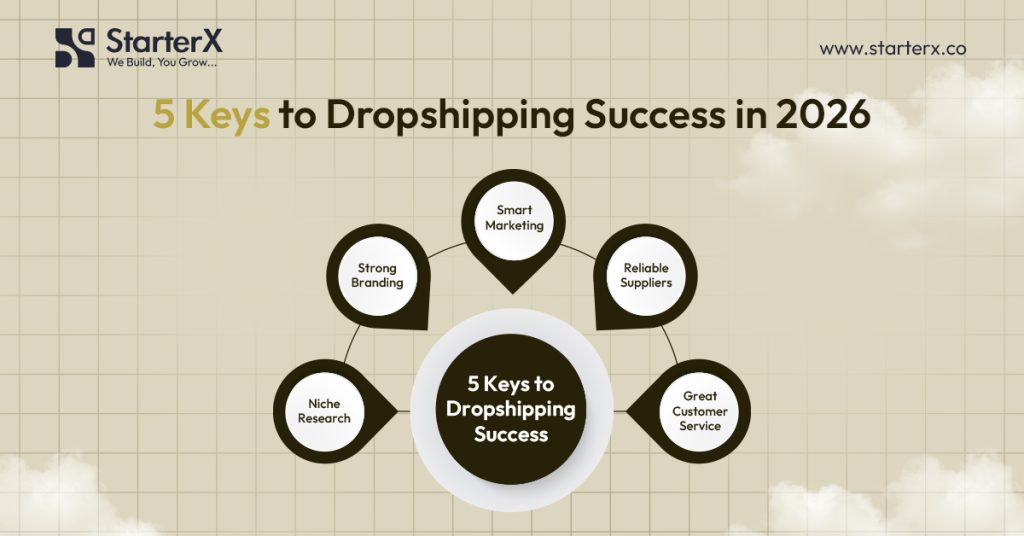
As the dropshipping market continues to grow and evolve in 2026, new sellers need to focus on several key success factors to stand out and thrive in this competitive environment. Let’s dive into the main elements that can make or break your Shopify dropshipping business.
1. Niche Selection and Market Research
The first and most important step for new dropshippers is choosing the right niche. With the rise in competition, selling generic, high-demand products is no longer enough. To succeed, you need to identify a profitable and underserved niche that has potential for long-term growth.
Key points for successful niche selection:
- Use tools like Google Trends and Oberlo to track trending products.
- Research consumer behavior to find growing demand and low competition.
- Focus on niches that align with consumer values, such as sustainability or personalization.
2. Building a Strong Brand
In 2026, branding has become a key differentiator in the dropshipping business. Consumers are looking for more than just products; they want a brand that resonates with them emotionally and provides value.
Tips for building a strong brand:
- Create a unique logo and consistent brand colors.
- Craft an engaging brand story that reflects your values.
- Use consistent messaging across your website, social media, and advertising channels.
A strong brand will help you build customer trust and create long-lasting relationships, which is essential for repeat business.
3. Mastering Digital Marketing
To drive traffic and generate sales, digital marketing is critical. In 2026, new dropshippers need to make use of various marketing channels, especially social media, SEO, and paid ads, to reach their ideal customers.
Effective digital marketing strategies:
- SEO: Optimize your product descriptions and blog content for search engines to rank higher.
- Social media: Run targeted ads on platforms like Facebook, Instagram, and TikTok to reach specific audiences.
- Email marketing: Build an email list and nurture relationships through personalized offers and updates.
For example, if you’re targeting US-based customers, running targeted ads on Facebook for specific demographics can significantly increase visibility and sales.
Customer Service and Retention
Offering excellent customer service is one of the most powerful ways to differentiate your dropshipping business. Providing timely responses, resolving issues quickly, and offering hassle-free returns will boost your reputation and increase customer loyalty.
Customer service and retention best practices:
- Respond quickly to customer inquiries and complaints.
- Provide easy returns and refund policies to ensure customer satisfaction.
- Implement loyalty programs and send personalized email offers to encourage repeat purchases.
In 2026, retaining customers is just as important as acquiring new ones, so focusing on customer loyalty will lead to a more sustainable business.
4. Optimizing Your Store for Conversion
Finally, ensure that your Shopify store is optimized for high conversion rates. The user experience (UX) plays a major role in determining whether visitors will make a purchase or abandon their cart.
Store optimization tips:
- Ensure your store is mobile-friendly for the increasing number of mobile shoppers.
- Simplify the checkout process by offering multiple payment options.
- Use clear product images and detailed descriptions to build trust.
- Implement cart abandonment emails to recover lost sales.
Use tools like Google Analytics to track your store’s performance and identify areas for improvement.
What Are the Common Mistakes and Risks in 2026?
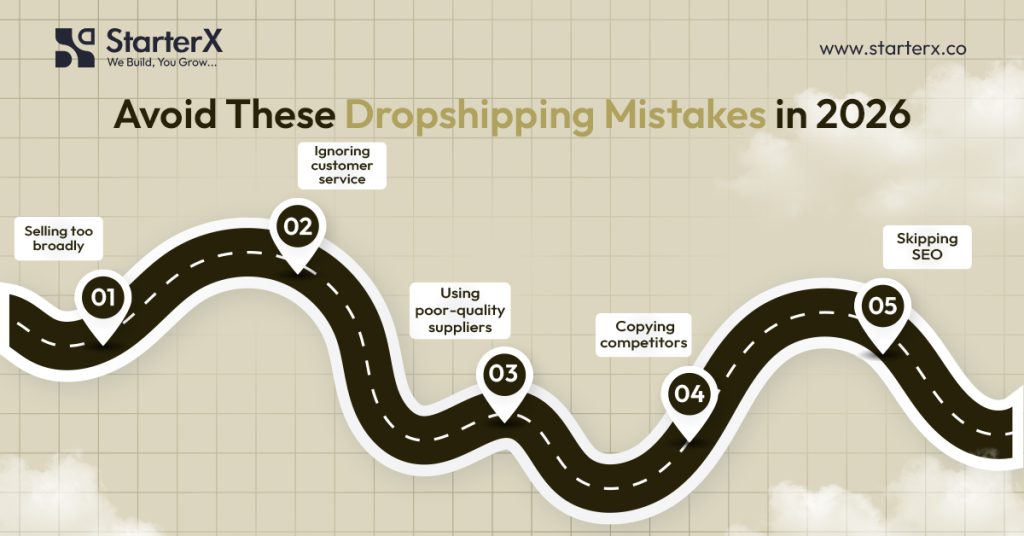
While Shopify dropshipping continues to offer tremendous potential in 2026, new sellers often make several mistakes that can hurt their success. Avoiding these common pitfalls is essential to building a sustainable business. Understanding and fixing common Shopify store mistakes early can significantly improve your chances of success. Let’s explore some of the most frequent mistakes and how to address them.
1. Focusing Too Broadly Instead of Niche Markets
- The Mistake:
One of the biggest traps new dropshippers fall into is trying to sell too many products to a broad audience. This often leads to low conversions, high competition, and a lack of brand identity. - The Solution:
To succeed, focus on a specific niche market. A narrower, targeted audience allows for better customer engagement, higher conversions, and easier marketing. Consider selling specialized products that cater to specific interests, such as sustainable goods, fitness equipment, or personalized gifts.
2. Poor Supplier and Inventory Management
- The Mistake:
Reliance on unreliable suppliers can lead to long shipping times, low-quality products, and out-of-stock items. These issues directly impact your customer satisfaction and can hurt your reputation. - The Solution:
Always choose reputable, well-reviewed suppliers. Use platforms like Spocket or Oberlo to find suppliers with strong track records. Test products before selling them to ensure they meet your quality standards, and always have a backup supplier for any critical items to prevent disruptions.
3. Ignoring Customer Service and Retention
- The Mistake:
Many dropshippers focus too much on acquiring new customers and neglect existing ones. Poor customer service leads to dissatisfied customers, negative reviews, and ultimately lost sales. - The Solution:
Invest in excellent customer support. Use tools like live chat or helpdesk software to respond to queries quickly. Make your return policies simple and hassle-free to create positive experiences. Implement email marketing campaigns and loyalty programs to keep customers engaged and encourage repeat business.
4. Underestimating the Competition
- The Mistake:
A common pitfall for new dropshippers is underestimating the level of competition in their chosen niche. Failing to differentiate can lead to price wars and low profit margins. - The Solution:
To stand out, you need to offer something different. This could be superior customer service, unique product offerings, or a strong brand identity. Research your competitors thoroughly and identify opportunities for differentiation, whether that’s through premium customer service, exclusive products, or value-added services.
5. Neglecting Market Trends and Consumer Behavior
- The Mistake:
The e-commerce landscape changes rapidly, and not keeping up with shifting trends or evolving consumer behaviors can cause your dropshipping business to stagnate. - The Solution:
Stay ahead by monitoring industry reports, following social media trends, and listening to customer feedback. Products that tap into emerging trends, like eco-friendly products or personalized items, can help you stay relevant and attract new customers.
How to Start a Shopify Dropshipping Business in 2026 (Step-by-Step)
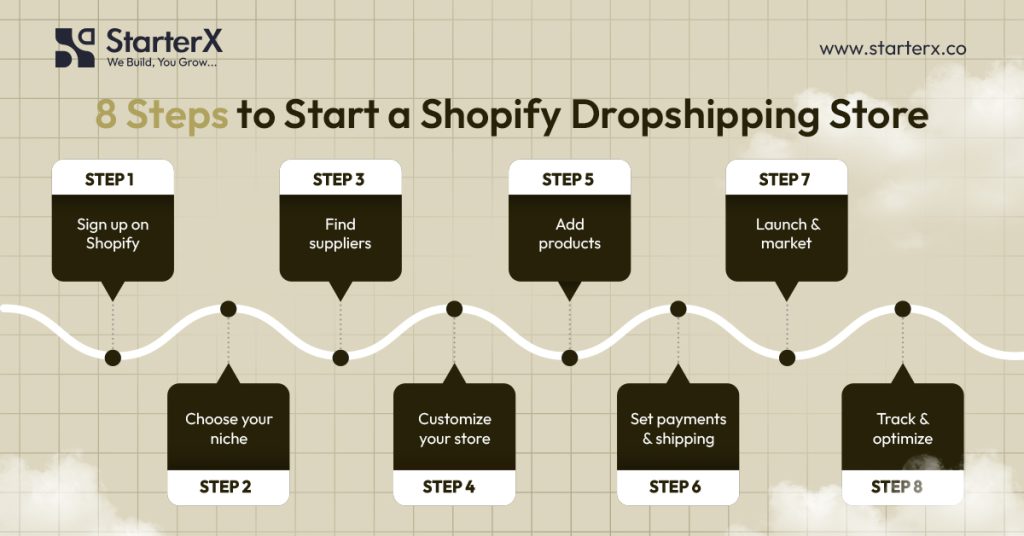
If you’re ready to dive into the world of Shopify dropshipping, this section will walk you through the essential steps to launch your own successful store in 2026.
Whether you’re a complete beginner or someone looking to refine your process, understanding the fundamentals of starting a Shopify store will help you get started the right way and avoid common mistakes. Let’s break it down.
- Step 1: Sign Up for Shopify and Choose the Right Plan
- Sign up for Shopify and get a 14-day free trial.
- After the trial, choose a plan based on your needs (start with Basic Shopify Plan at $29/month).
- Tip: Choose a plan that fits your budget and growth goals.
- Step 2: Pick Your Niche and Products
- Research market demand, competition, and personal interests for niche selection.
- Use Oberlo or Spocket for sourcing products.
- Tip: Test a few products to gauge demand before scaling.
- Step 3: Choose Reliable Suppliers
- Find suppliers through Oberlo, Spocket, etc.
- Check reviews, order samples, and diversify suppliers.
- Tip: Ensure fast shipping, quality products, and good customer service.
- Step 4: Customize Your Shopify Store
- Choose a clean, professional theme and customize it to match your brand.
- Add essential pages like About Us, Contact, and Shipping & Return Policies.
- Tip: Make sure your store is mobile-friendly for mobile shoppers.
- Step 5: Set Up Payment and Shipping Options
- Set up payment gateways like Shopify Payments, PayPal, and Stripe.
- Configure shipping rates based on suppliers’ locations, and consider offering free shipping.
- Tip: Offer multiple payment methods for customer convenience.
- Step 6: Add Products and Optimize Your Store for SEO
- Add detailed product descriptions, high-quality images, and clear pricing.
- Optimize product pages with long-tail keywords and alt-text for images.
- Tip: Regularly update content and product listings to boost SEO rankings.
- Step 7: Launch Your Store and Start Marketing
- Announce your store launch on social media (Instagram, Facebook, TikTok).
- Invest in paid ads (Facebook, Google) and build an email list.
- Tip: Use retargeting ads to bring back visitors who abandoned their carts.
- Step 8: Track Your Progress and Optimize
- Use Google Analytics and Shopify Analytics to track traffic, conversion rates, and average order value.
- Continuously A/B test product pages and campaigns to improve performance.
- Tip: Collect customer feedback and optimize your store accordingly.
What Niches Are Still Viable for Dropshipping in 2026?
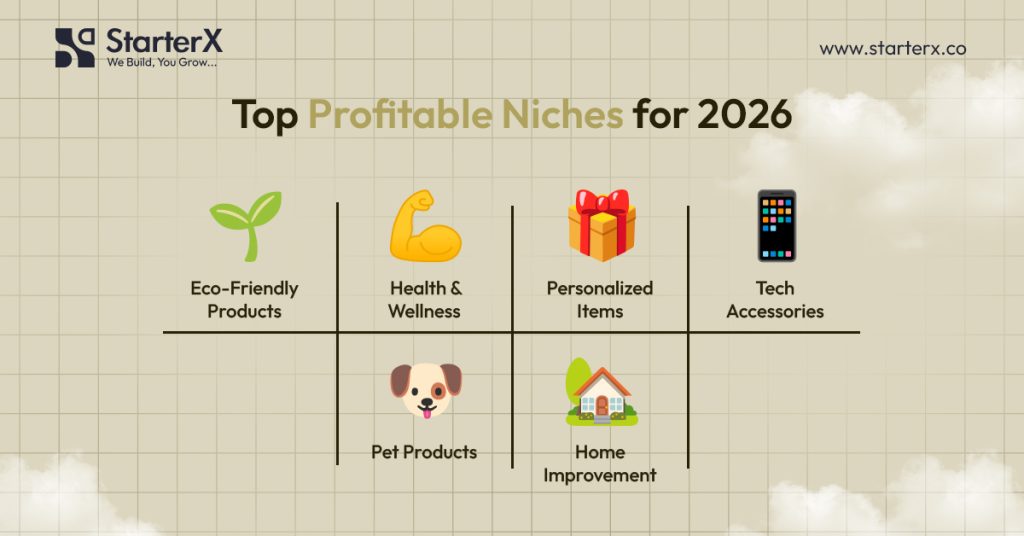
Choosing the right niche is crucial for dropshipping success in 2026. Here are some of the most viable and trending niches:
- Eco-Friendly Products
Consumers are increasingly focused on sustainability. Eco-friendly products are in high demand as people look for ways to reduce waste and make more environmentally conscious choices.
Examples: Reusable shopping bags, eco-friendly beauty products, zero-waste home goods.
Health and Wellness
As health continues to be a top priority, wellness products are seeing sustained growth. From fitness equipment to mental wellness tools, this market offers a lot of opportunities.
Examples: Fitness equipment (yoga mats, dumbbells), supplements (vitamins, protein powders), stress-relief gadgets.
- Personalized Products
People love unique, custom-made items, especially for gifts and special occasions. Personalized products continue to perform well in the market, offering a strong competitive edge.
Examples: Custom jewelry (engraved necklaces), personalized home décor, custom apparel (t-shirts, hoodies).
- Tech Gadgets and Accessories
With rapid technological advancements, consumers are always on the lookout for the latest gadgets to enhance their lifestyles. This market is expected to keep growing in 2026.
Examples: Smart home devices (Wi-Fi bulbs, thermostats), wearable tech (smartwatches, fitness trackers), phone accessories (charging stations, custom cases).
- Pet Products
The pet industry is booming as more people consider pets as part of the family. There’s a constant demand for products that improve pets’ comfort and well-being.
Examples: Pet grooming products (brushes, shampoos), pet toys (interactive toys, chew toys), pet clothing (sweaters, jackets).
- Home Improvement and DIY Products
With more time spent at home, people are investing in DIY projects and home improvements. This niche is popular for both small upgrades and larger renovation projects.
Examples: DIY kits (home repair tools, painting kits), smart home gadgets (security cameras, Wi-Fi lights), home décor items (lighting, minimalist furniture).
What Are the Best Tools for Dropshipping in 2026?
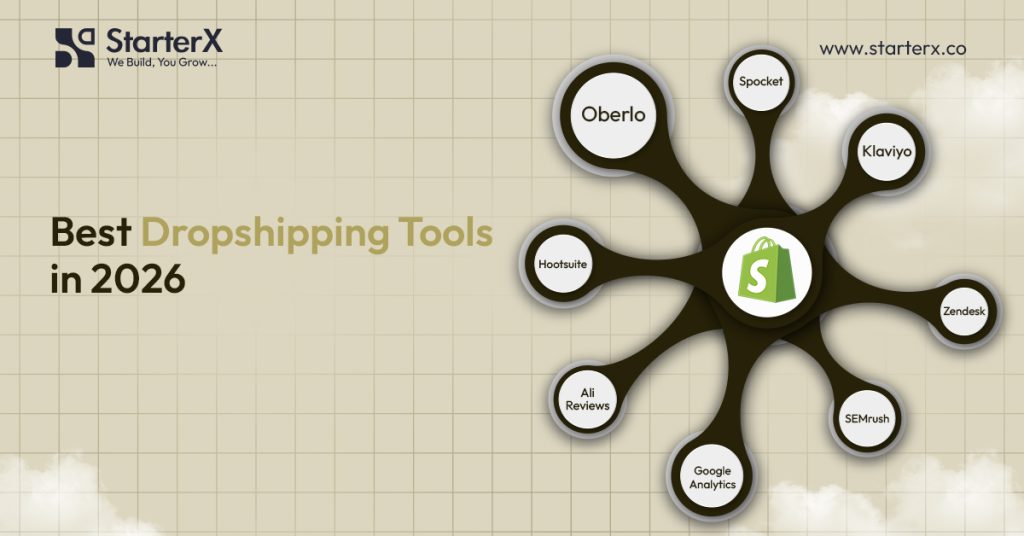
To run a successful dropshipping business in 2026, using the right tools is key. From sourcing products to managing customer service and marketing, these tools will help streamline your operations and ensure growth. Below is a table of essential dropshipping tools and their key features:
| Tool | Purpose | Key Features |
| Shopify | eCommerce Platform | – Easy-to-use interface for setting up your store.- Integrated payment gateways (Shopify Payments, PayPal, Stripe).- Customizable themes and templates. |
| Oberlo | Product Sourcing | – Import products directly from AliExpress.- Automates order fulfillment.- Supplier ratings and reviews to ensure quality. |
| Spocket | High-Quality Suppliers | – US and EU suppliers for faster shipping.- Automated order processing.- High-quality products with shorter delivery times. |
| Klaviyo | Email Marketing | – Advanced email segmentation for personalized messages.- Automated email flows (cart abandonment, welcome series).- Integration with Shopify for automation. |
| SEMrush | SEO & Keyword Research | – Keyword research and optimization.- Competitor analysis and SEO audits.- Backlink analysis to improve search rankings. |
| Google Analytics | Data Analytics & Insights | – Track website traffic and user behavior.- Set up conversion goals (purchases, sign-ups).- Monitor sales funnels and bounce rates. |
| Zendesk | Customer Support | – Multi-channel support (email, live chat, social media).- Ticketing system for easy issue resolution.- Self-service options for customers. |
| Ali Reviews | Product Reviews | – Collect and display reviews on your Shopify store.- Import reviews from AliExpress automatically.- Customizable review templates. |
| Hootsuite | Social Media Management | – Schedule posts across multiple platforms (Instagram, Facebook, Twitter).- Monitor brand mentions and customer interactions.- Analyze social media performance. |
Final Thoughts
Starting a Shopify dropshipping business in 2026 can still be a profitable and rewarding venture, but it requires more than just setting up an online store. To succeed in this competitive landscape, you must stay updated on trends, choose the right products, and leverage the best tools for optimization.
Key takeaways to keep in mind:
- Choose a Profitable Niche: In 2026, niches like eco-friendly products, health and wellness, personalized items, and tech gadgets are still in high demand. Pick a niche that excites you and aligns with current consumer interests.
- Use the Right Tools: The right tools, like Shopify, Oberlo, Klaviyo, and Google Analytics, will help streamline your store management, marketing efforts, and customer support, making your dropshipping business more efficient and successful.
- Stay Adaptable: The e-commerce world is constantly evolving. Keep up with industry trends, customer preferences, and emerging technologies. Use data-driven insights to refine your strategy and stay competitive.
- Focus on Customer Experience: Excellent customer service and a smooth shopping experience are essential to building trust and loyalty. Invest in tools like Zendesk for support and Ali Reviews for social proof.
Dropshipping through Shopify in 2026 is still a viable business model, but it requires dedication, the right strategy, and continuous learning. By focusing on the right products, niches, and tools, you can build a thriving dropshipping business that stands out in a crowded market.
Want to Start or Grow Your Shopify store?
At StarterX, a leading e-commerce agency, we specialize in helping entrepreneurs like you launch and scale successful Shopify dropshipping businesses. Whether you’re just starting out or looking to grow your existing store, we have the expertise to guide you every step of the way.
Book a FREE consultation with our team at StarterX today. Let’s discuss how we can turn your dropshipping business into a success!
FAQs About Shopify dropshipping Worth In 2026
Is Shopify dropshipping still profitable in 2026?
Yes, Shopify dropshipping is still profitable in 2026. With the right niche, products, and marketing strategies, you can build a successful dropshipping business. The key is to stay updated on trends, use the best tools, and offer a great customer experience.
How much does it cost to start a Shopify dropshipping business?
Starting a Shopify dropshipping business can be affordable. Shopify plans start at $29/month for the basic plan. Additional costs may include marketing (ads, influencer partnerships), product sourcing tools, and any apps you choose to enhance your store.
What are the best niches for Shopify dropshipping in 2026?
Some of the best niches for dropshipping in 2026 include:
- Eco-friendly products
- Health and wellness items
- Personalized products
- Tech gadgets
- Pet products
- Home improvement and DIY
Choosing a niche that aligns with current consumer trends and interests can help ensure profitability.
How do I find reliable suppliers for my Shopify dropshipping store?
Reliable suppliers are crucial to your dropshipping success. You can use platforms like Oberlo and Spocket to find reputable suppliers. Always check reviews, order samples to test product quality, and ensure they offer reliable shipping times to your target regions.
Can I run a Shopify dropshipping store part-time?
Yes, Shopify dropshipping can be run part-time. However, it requires consistent effort to maintain your store, update products, and manage marketing. Automating tasks with tools like Shopify apps, email marketing, and social media scheduling can help you manage the business efficiently.
How long does it take to make a profit with Shopify dropshipping?
The time to make a profit can vary depending on your marketing efforts, product selection, and niche. On average, it can take anywhere from 3 to 6 months to start seeing consistent profits. Success depends on testing, learning, and optimizing your store for conversions.
Do I need to handle shipping and inventory in Shopify dropshipping?
No, one of the main benefits of dropshipping is that you don’t have to manage inventory or shipping. Your suppliers handle inventory and fulfillment. You only need to focus on marketing, customer service, and managing the online store.
What are the best marketing strategies for a Shopify dropshipping store?
Some of the best marketing strategies include:
- Paid advertising on platforms like Facebook, Instagram, and Google Ads.
- Content marketing to improve SEO and attract organic traffic.
- Influencer marketing to leverage existing audiences.
- Email marketing to nurture leads and encourage repeat purchases.
How can I improve customer retention for my dropshipping store?
Improving customer retention is essential for long-term success. Some strategies include:
- Offering exceptional customer service.
- Creating a loyalty program to reward repeat customers.
- Sending personalized email offers and updates.
- Ensuring fast and hassle-free returns and exchanges.
How can StarterX help me with my Shopify dropshipping business?
As a Shopify Agency, StarterX specializes in helping entrepreneurs launch and scale their Shopify dropshipping businesses. We offer personalized support, from setting up your store to optimizing for growth, and can help you with product sourcing, marketing strategies, and more. Book a free consultation today to get started!

The StarterX Team is a group of e-commerce experts with years of hands-on experience in launching, managing, and scaling online businesses. As trusted authorities in the e-commerce space, we’ve helped entrepreneurs grow successful stores on Amazon, Shopify, TikTok, and Walmart. Backed by real-world results and a data-driven approach, we deliver proven strategies and insights you can trust to succeed in the digital marketplace.