

.svg)
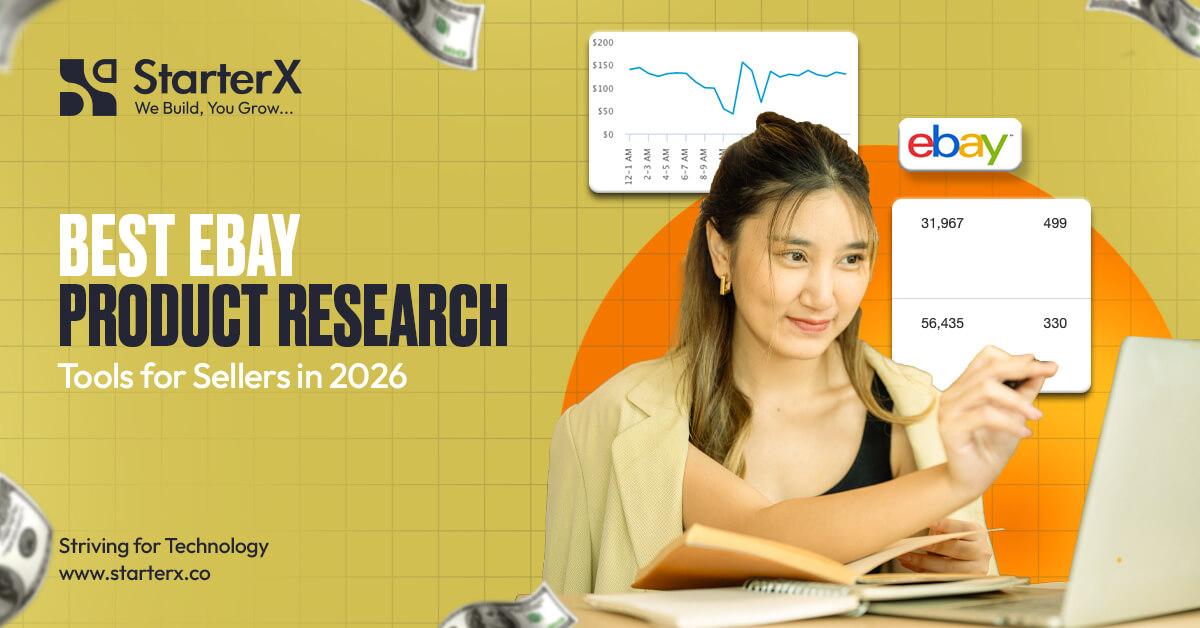
The best eBay product research tools for sellers in 2026 are the tools that help you check real buyer demand, sold prices, competition, keywords, and profit potential before you list or buy stock. For most sellers, the best starting point is eBay Product Research because it uses eBay marketplace data. After that, tools like ZIK Analytics, ShelfTrend, AutoDS, WatchCount, Keyword Tool Dominator, and KeywordTool.io can help with competitor research, dropshipping research, buyer interest, and listing keywords.
Product research matters because eBay is a large and competitive marketplace. According to eBay’s 2025 Form 10-K filed with the SEC, eBay had 135 million active buyers and 2.5 billion live listings globally at the end of 2025. This means sellers have access to a large buyer base, but they also face heavy listing competition. A good product research tool helps sellers avoid slow-moving products, weak margins, and poor listing decisions.
In this guide, we will compare the best eBay product research tools for 2026 and explain which tool is right for beginners, dropshippers, inventory sellers, competitor research, keyword research, and eBay SEO.
Key Takeaways
- eBay Product Research is the best first tool for most sellers because it helps sellers study real eBay sales data, sold prices, and market trends.
- Third-party tools are useful when sellers need deeper research. ZIK Analytics can help with competitor and product research, ShelfTrend can support live market checks, and AutoDS is more useful for dropshipping workflows.
- Keyword tools are not full product research tools. Keyword Tool Dominator and KeywordTool.io can help with eBay title ideas and search terms, but sellers still need to check sales data before choosing a product.
- High demand does not always mean high profit. Sellers must check product cost, shipping, eBay fees, packaging, returns, and competition before listing or sourcing inventory.
- The right tool depends on your selling model. A beginner, dropshipper, reseller, wholesale seller, and store owner may need different tools for different research decisions.
What is an eBay Product Research Tool?
An eBay product research tool helps sellers find products that have real buyer demand, fair competition, and enough profit potential before they list or buy inventory.
Instead of choosing products by feeling, sellers can use product research tools to check what is already selling on eBay. These tools help sellers review sold listings, average selling price, sales history, sell-through rate, listing competition, keyword demand, and buyer interest.
A good eBay product research tool should help sellers answer these questions:
- Are buyers already purchasing this product?
- What price are buyers paying?
- How many sellers are competing for the same product?
- Is the product selling often or only once in a while?
- What keywords do buyers use to search for this product?
- Can the seller still make a profit after eBay fees, shipping, packaging, and returns?
The main goal is simple. Product research helps sellers choose products based on real marketplace signals, not assumptions.
For example, if a product has many active listings but very few sold listings, that may show weak demand. If a product has steady sales, fair pricing, and a healthy sell-through rate, it may be worth deeper research.
Product research tools are helpful for new sellers, resellers, wholesale sellers, dropshipping sellers, and store owners. Each seller may use the tools in a different way, but the main purpose stays the same: check demand, competition, pricing, and profit before making a selling decision.
Best eBay Product Research Tools for Sellers in 2026
The best eBay product research tools for sellers in 2026 are the tools that help with sales data, pricing, competition, buyer demand, keyword research, and profit checks.
No single tool is perfect for every seller. A beginner may only need eBay Product Research at first. A dropshipping seller may need AutoDS or ZIK Analytics. A store seller may need Sourcing Insights. A seller focused on eBay SEO may need Keyword Tool Dominator or KeywordTool.io.
Here are the main tools covered in this guide:
- eBay Product Research
- eBay Sourcing Insights
- ZIK Analytics
- ShelfTrend
- AutoDS Product Research Tool
- WatchCount
- Keyword Tool Dominator
- KeywordTool.io for eBay
Each tool has a different role. Some tools help sellers check real eBay sales data. Some help with competitor research. Some help with dropshipping product discovery. Some help with keyword ideas for eBay titles and descriptions.
The best approach is to match the tool with the decision you need to make.
Use product research tools to check:
- Buyer demand
- Sold listings
- Average selling price
- Sell-through rate
- Seller competition
- Product keywords
- Listing quality
- Sourcing options
- Shipping cost
- Profit margin
A tool can help you find better product opportunities, but it should not make the full decision for you. Sellers still need to check product cost, supplier reliability, return risk, and eBay policy before listing or sourcing products.
1. eBay Product Research
Best for: Every eBay seller
Tool type: Official eBay research tool
Main use: Sales data, pricing, competition, category research, and sell-through checks
eBay Product Research should be the first tool most sellers use. It helps sellers study real eBay marketplace data before they choose products or set prices.
Sellers can use it to check sales trends, average selling price, sold price range, sell-through rate, shipping cost signals, and seller competition. This makes it useful for beginners, resellers, store sellers, and inventory-based sellers.
Best Use Cases
- Validating product demand
- Checking sold prices
- Studying sales trends
- Comparing categories
- Reviewing seller competition
- Setting better listing prices
Pros
- Uses eBay marketplace data
- Good for demand validation
- Useful for pricing decisions
- Helpful for both new and experienced sellers
Limitations
- Requires manual review
- Not a full keyword research tool
- Does not replace profit calculation
Expert recommendation: Start here before paying for third-party tools.
2. eBay Sourcing Insights
Best for: Store sellers and inventory sellers
Tool type: Official eBay research tool
Main use: Finding product gaps and sourcing opportunities
eBay Sourcing Insights helps sellers study marketplace opportunities at a category and sourcing level. It is useful for sellers who want to find products with demand and plan inventory with more confidence.
This tool is better for sellers who already have a niche, category, or product direction. It can help store owners and inventory sellers find product gaps and improve sourcing decisions.
Best Use Cases
- Finding category opportunities
- Planning inventory
- Refreshing product lines
- Spotting product gaps
- Studying demand and supply
Pros
- Useful for inventory planning
- Helpful for store sellers
- Good for category research
- Supports sourcing decisions
Limitations
- Not the best first step for complete beginners
- Works better when the seller already understands the niche
- Still needs profit and supplier checks
Expert recommendation: Use it after you understand your category and want better sourcing ideas.
3. ZIK Analytics
Best for: Competitor research, product validation, and dropshipping research
Tool type: Third-party product research tool
Main use: Product discovery, competitor analysis, title ideas, and market research
ZIK Analytics is useful for sellers who want faster product and competitor research. It helps sellers study product demand, competitor stores, pricing, and listing ideas.
It is popular with eBay dropshippers and inventory sellers because it can speed up product discovery. It can also help sellers find title and keyword ideas for eBay listings.
Best Use Cases
- Finding the products that competitors are selling
- Reviewing competitor stores
- Checking product demand signals
- Finding title and keyword ideas
- Speeding up product research
Pros
- Strong for competitor research
- Useful for dropshipping sellers
- Helpful for product and title ideas
- Saves time compared with manual checks
Limitations
- Paid tool
- Sellers should cross-check demand with eBay Product Research
- Does not replace profit, shipping, and policy checks
Expert recommendation: Use it when you need competitor research or faster product discovery, but do not treat it as a profit guarantee.
4. ShelfTrend
Best for: Live market reports and supply-demand analysis
Tool type: Marketplace insight tool
Main use: Live listings, average weekly sales, new listings, and supply-demand reports
ShelfTrend helps sellers study live marketplace activity and category movement. It is useful when sellers want to compare supply, demand, listing activity, and competition.
This tool can help sellers understand what is happening in a product category right now. It is especially useful after you already have a product idea and want to check the live market.
Best Use Cases
- Studying live eBay listings
- Checking current competition
- Finding supply-demand gaps
- Tracking category movement
- Comparing product opportunities
Pros
- Good for live marketplace insights
- Useful for niche and category research
- Helps sellers compare supply and demand
- Helpful for competitor checks
Limitations
- Requires analysis
- Better for sellers who already know their category
- Not the simplest first tool for beginners
Expert recommendation: Use ShelfTrend as a market research support tool, especially for category and competitor checks.
5. AutoDS Product Research Tool
Best for: eBay dropshipping sellers
Tool type: Dropshipping product research and automation tool
Main use: Product finding, supplier research, product importing, price monitoring, and stock monitoring
AutoDS is more useful for dropshipping sellers than traditional inventory sellers. It helps sellers find products, import product data, and monitor supplier stock and price changes.
This can save time for dropshipping workflows, but sellers still need to follow eBay’s dropshipping rules and protect the buyer experience.
Best Use Cases
- Finding dropshipping products
- Checking supplier options
- Importing product data
- Monitoring stock changes
- Monitoring price changes
- Managing larger dropshipping catalogs
Pros
- Useful for dropshipping workflows
- Saves time on product importing
- Helps with stock and price monitoring
- Supports supplier-based product research
Limitations
- Not the best fit for every eBay seller
- Dropshipping sellers must understand eBay’s policy
- Automation does not remove account risk
Expert recommendation: Use AutoDS only if your model is dropshipping and you can meet eBay’s rules, shipping expectations, and customer service standards.
6. WatchCount
Best for: Buyer interest signals and quick sold item checks
Tool type: Free research support tool
Main use: Sold item prices, price history, most watched listings, and buyer interest
WatchCount helps sellers check sold item prices, price history, and watched listings. Watch count can show buyer interest, but it should not be used as the only product research signal.
A product with many watchers may have interest, but that does not always mean it sells well or has good profit. Sellers should combine WatchCount with sold listings, sell-through rate, competition checks, and profit calculation.
Best Use Cases
- Checking watched listings
- Reviewing the sold item price history
- Finding products with buyer interest
- Spotting products that buyers are tracking
Pros
- Free research support
- Simple to use
- Good for quick buyer-interest checks
- Useful for sold price research
Limitations
- Watchers do not always become buyers
- Not enough for final product validation
- Must be combined with real sales and profit data
Expert recommendation: Use WatchCount as a quick support tool, not as your main product research tool.
7. Keyword Tool Dominator
Best for: eBay keyword research
Tool type: Keyword research tool
Main use: Finding eBay search terms for titles and descriptions
Keyword Tool Dominator helps sellers find eBay keyword ideas that can support listing titles, descriptions, and eBay SEO.
This tool is useful after you already know the product has demand. It can help you understand how buyers search for the product and which terms may belong in the title, item specifics, and description.
Best Use Cases
- Finding title keywords
- Improving product descriptions
- Discovering long-tail keywords
- Planning eBay SEO
- Supporting listing optimization
Pros
- Useful for eBay SEO
- Helps with title planning
- Good for keyword discovery
- Supports long-tail search terms
Limitations
- Does not fully validate product demand
- Should not be the first product research step
- Sellers still need to sell data and profit checks
Expert recommendation: Use it for listing visibility after product demand is confirmed.
8. KeywordTool.io for eBay
Best for: eBay autocomplete keyword ideas
Tool type: Keyword research tool
Main use: Long-tail keyword ideas and listing SEO
KeywordTool.io for eBay helps sellers find search terms that buyers may use on eBay. It is useful for keyword discovery, title planning, and listing optimization.
This tool is not a complete product research tool. It helps with eBay SEO, but sellers still need to check sold listings, pricing, competition, and profit before choosing a product.
Best Use Cases
- Finding long-tail keywords
- Improving eBay titles
- Expanding keyword ideas
- Supporting listing SEO
Pros
- Helpful for search term discovery
- Useful for title and listing optimization
- Good for long-tail keyword ideas
Limitations
- Not a complete product research tool
- Sellers still need sales data before sourcing products
- Keyword popularity does not always mean profit
Expert recommendation: Use it as a keyword support tool, not as your main product validation tool.
Quick Comparison of the Best eBay Product Research Tools
The best eBay product research tool depends on what the seller needs to check, such as sales data, competition, dropshipping products, buyer interest, or eBay keywords.
| Tool | Best For | Free or Paid | Main Use | Best Seller Type | Main Limitation |
| eBay Product Research | Real eBay sales data | Available through Seller Hub | Sold prices, trends, competition, and sell-through checks | Most eBay sellers | Needs manual analysis |
| eBay Sourcing Insights | Product gaps and sourcing ideas | Available to eligible store sellers | Category opportunities and inventory planning | Store and inventory sellers | Not ideal as the first tool for beginners |
| ZIK Analytics | Competitor and product research | Paid | Product discovery, competitor research, title ideas | Dropshippers, resellers, and inventory sellers | Should be cross-checked with eBay data |
| ShelfTrend | Live market research | Paid options available | Live listings, sales reports, supply-demand checks | Category researchers and store sellers | Requires data review |
| AutoDS | Dropshipping workflows | Paid | Product finding, importing, stock, and price monitoring | Dropshipping sellers | Must follow eBay policy |
| WatchCount | Buyer interest checks | Free support tool | Watched listings, sold prices, and price history | Beginners and resellers | Watchers do not always mean sales |
| Keyword Tool Dominator | eBay keyword research | Free and paid options | Title keywords and long-tail terms | SEO-focused sellers | Does not validate demand alone |
| KeywordTool.io for eBay | Autocomplete keyword ideas | Free and paid options | Long-tail keywords and listing SEO | SEO-focused sellers | Not a full product research tool |
This comparison shows why most sellers should start with eBay Product Research, then add other tools based on their selling model.
Best eBay Product Research Tool by Seller Type
The best eBay product research tool changes by seller type because beginners, dropshippers, resellers, inventory sellers, and SEO-focused sellers need different data.
A new seller needs simple sales data. A dropshipper needs a supplier and monitoring tools. An inventory seller needs sourcing insights. A seller focused on eBay SEO needs keyword data. Choosing by seller type helps avoid paying for tools that do not match your business model.
Best Tool for New eBay Sellers
Best choice: eBay Product Research
New sellers should start with eBay Product Research because it helps them understand sold listings, pricing trends, demand, and competition using eBay marketplace data.
This is the safest first step before paying for extra tools. It helps beginners learn how real eBay product research works.
Best Tool for Dropshipping Sellers
Best choice: ZIK Analytics or AutoDS
Dropshipping sellers need tools that support product discovery, competitor research, supplier checks, price monitoring, and stock monitoring.
ZIK Analytics can help with product and competitor research. AutoDS can help with supplier-based dropshipping workflows, product importing, and stock or price monitoring.
Dropshipping sellers should also check eBay’s policy before listing products. The tool may help with research, but the seller is still responsible for order quality, shipping times, and customer experience.
Best Tool for Inventory Sellers
Best choice: eBay Product Research plus eBay Sourcing Insights
Inventory sellers need to validate demand before buying stock. eBay Product Research helps check sold data and pricing. Sourcing Insights can support category-level sourcing decisions.
This combination is useful for sellers who buy products in bulk, manage stock, or plan new product lines.
Best Tool for Competitor Research
Best choice: ZIK Analytics and ShelfTrend
Competitor research helps sellers study what other sellers are listing, how they price products, what keywords they use, and how strong their listings are.
ZIK Analytics is useful for competitor and product research. ShelfTrend can help sellers study live marketplace activity, top listings, and supply-demand patterns.
Best Tool for eBay SEO and Keywords
Best choice: Keyword Tool Dominator or KeywordTool.io for eBay
Keyword tools help sellers find search terms buyers may use on eBay. These terms can support listing titles, descriptions, and item specifics.
Keyword research should come after product validation. A keyword may have search interest, but sellers still need to check sold listings, competition, pricing, and profit.
Best Free Research Support Tool
Best choice: WatchCount
WatchCount is useful for checking watched listings, sold prices, and buyer interest signals. It can help sellers spot products that buyers are tracking.
It should not be used alone. Watch count is only one signal, and sellers still need to check real sales, pricing, competition, and margin.
How to Choose the Right eBay Product Research Tool
The right eBay product research tool is the one that matches your selling model, research goal, budget, and product category.
Do not choose a tool only because other sellers use it. A beginner seller, dropshipping seller, wholesale seller, and store owner may need different data. The best tool should help you make a better product decision, not just show more numbers.
Start With Your Selling Model
Your selling model should guide your tool choice.
If you sell used items, collectibles, or refurbished products, you need strong sold listing data and price history. eBay Product Research and WatchCount can help with this.
If you sell wholesale or bulk inventory, you need sales trends, category demand, and sourcing signals. eBay Product Research and Sourcing Insights are better choices.
If you run a dropshipping model, you need product discovery, supplier checks, stock monitoring, and price monitoring. ZIK Analytics and AutoDS can help with this, but you still need to follow eBay’s dropshipping policy.
If your main problem is low listing visibility, you need eBay keyword research tools. Keyword Tool Dominator and KeywordTool.io can help with title keywords, long-tail search terms, and listing optimization.
Match the Tool to the Research Question
Choose the tool based on what you need to check.
| Research Question | Best Tool Type |
| Does this product sell on eBay? | eBay Product Research |
| What price are buyers paying? | eBay Product Research |
| Are there product gaps in my category? | eBay Sourcing Insights |
| What are competitors selling? | ZIK Analytics or ShelfTrend |
| What are buyers searching for? | Keyword Tool Dominator or KeywordTool.io |
| Are buyers watching this product? | WatchCount |
| Can I manage dropshipping products better? | AutoDS |
This keeps your research clear and saves time.
Check Tool Value Against Your Budget
Free tools are enough for many beginners. Start with eBay Product Research before paying for extra software.
Paid tools make more sense when they save time, support larger research workflows, or help with competitor research, keyword research, or dropshipping operations.
A paid tool is worth it only when it helps you make better product decisions or manage research faster. It should not become another cost that reduces profit.
Do Not Ignore Manual Checks
Tools can help you find data, but they cannot make the full decision for you.
Before listing or sourcing any product, check:
- Product cost
- Average selling price
- Shipping cost
- Packaging cost
- eBay fees
- Return risk
- Supplier reliability
- Listing competition
- Product condition
- Buyer demand
- Seasonal demand
- Item specifics
- Listing quality
A product should only move forward if it has demand, clear buyer intent, manageable competition, and enough profit after all costs.
Step-by-Step eBay Product Research Workflow for 2026
The best eBay product research workflow is to check demand first, then competition, keywords, profit, and sourcing risk before you list or buy inventory.
This process helps sellers avoid weak products and slow-moving stock. It also keeps research simple, so you do not jump between tools without a clear reason.
Step 1: Start With a Product Idea or Category
Start with a category, niche, or product type that buyers already search for on eBay.
Good product research can begin with:
- Auto parts
- Home improvement items
- Electronics accessories
- Collectibles
- Replacement parts
- Sports equipment
- Beauty tools
- Used items
- Refurbished products
Start broad, then narrow your research by product type, condition, brand, model, size, color, or buyer need.
Step 2: Check Sold Data First
The sold data shows what buyers actually purchased. This should come before active listing research.
Check:
- Recently sold listings
- Sold price range
- Average selling price
- Sales frequency
- Sell-through rate
- Sales trend
- Item condition
- Shipping cost
- Selling format
A product with many active listings but few sold listings may not have enough demand.
Step 3: Review Competition
After checking demand, study competing listings.
Look at:
- Number of active listings
- Top seller pricing
- Product photos
- Title structure
- Item specifics
- Shipping options
- Delivery speed
- Seller feedback
- Return policy
- Listing description
- Promoted Listings activity
Strong competition does not always mean you should avoid a product. It means your listing must have a clear reason to win, such as better photos, better item specifics, better shipping, cleaner description, stronger condition, or better price.
Step 4: Check Keywords
Keyword research helps buyers find your listing in eBay search.
Use eBay keyword tools to find:
- Main product terms
- Long-tail keywords
- Model terms
- Brand terms
- Size or color terms
- Use-case keywords
- Buyer search phrases
Use keywords naturally in the title, item specifics, and description. Do not stuff keywords. A clear title that matches buyer intent is better than a title filled with repeated terms.
Step 5: Calculate Profit
A product is not worth selling only because it has demand. It must also leave enough profit after all costs.
Calculate:
- Product cost
- Shipping cost
- Packaging cost
- eBay selling fees
- Payment-related costs
- Promoted Listings cost
- Return cost
- Replacement risk
- Supplier price changes
- Storage or handling cost
If the margin is too thin, a few returns or price drops can remove the profit.
Step 6: Test Before Scaling
Test a small quantity before buying a large inventory.
Track:
- Impressions
- Clicks
- Watchers
- Sales
- Conversion rate
- Return rate
- Buyer questions
- Profit per order
- Time to sell
If the product sells at a healthy margin and buyers respond well, you can restock or scale slowly. If it gets views but no sales, review the price, photos, title, item specifics, and competition before buying more.
Common Mistakes Sellers Make With eBay Product Research Tools
The most common mistake sellers make with eBay product research tools is trusting one data point instead of checking demand, competition, pricing, profit, and policy together.
A tool can show useful data, but the seller still needs to read that data correctly. Poor product research can lead to slow sales, price wars, high return rates, and weak profit.
Only Looking at Active Listings
Active listings show what sellers are offering. They do not prove that buyers are purchasing the product.
A product with thousands of active listings may have strong demand, but it may also have too much supply. Always compare active listings with sold listings before making a decision.
Ignoring Sell-Through Rate
Sell-through rate helps sellers understand how fast products are selling compared with available listings.
A product with many sales can still be risky if the market has too many competing listings. A product with fewer listings and steady sales may be a better opportunity.
Ignoring Profit Margin
Sales volume does not always mean profit.
A product may sell often, but profit can disappear after shipping, fees, packaging, returns, and ad costs. Sellers should calculate profit before they list, not after the product sells.
Copying Competitors Without Understanding Demand
Copying another seller does not mean you will get the same results.
That seller may have better feedback, lower sourcing costs, faster shipping, stronger photos, or more account history. Copying products without checking demand and margin can lead to weak listings and price pressure.
Ignoring Shipping and Returns
Shipping and returns can reduce profit quickly, especially for heavy, fragile, oversized, or size-sensitive products.
Before choosing a product, check the shipping method, packaging needs, return risk, and buyer expectations. A product with high return risk may not be worth selling even if demand looks strong.
Using Too Many Tools Without a Clear Process
More tools do not always mean better research.
If you use too many tools without a clear workflow, you may collect data but still make a poor decision. Start with one main research question, then choose the tool that answers it.
Trusting Dropshipping Tools Without Checking eBay Policy
Dropshipping tools can help with product research, importing, price monitoring, and stock monitoring, but they do not remove seller responsibility.
If you use dropshipping, you are still responsible for safe delivery, delivery time, and buyer satisfaction. You also need to make sure your sourcing method follows eBay’s rules.
Final Recommendation: Which eBay Product Research Tool Should You Use?
The best eBay product research tool for most sellers is eBay Product Research because it uses real eBay marketplace data and helps sellers check demand, pricing, sales trends, sold listings, and competition before they list or buy inventory.
Most sellers do not need every tool at once. Start with the tool that answers your main research question.
Best overall tool: eBay Product Research
Use it first to check sold data, pricing trends, average selling price, sell-through rate, seller count, and product performance.
Best tool for store sellers: eBay Sourcing Insights
Use it when you want to find category opportunities, product gaps, and inventory ideas based on marketplace demand.
Best tool for competitor research: ZIK Analytics
Use it when you need faster product discovery, competitor research, seller research, and title ideas.
Best tool for live market research: ShelfTrend
Use it when you want to study live listings, category movement, new listings, weekly sales, and supply-demand signals.
Best tool for dropshipping sellers: AutoDS or ZIK Analytics
Use these tools when your eBay model includes dropshipping and you need product discovery, supplier checks, importing support, stock monitoring, or price monitoring. Always check eBay’s dropshipping policy before using a dropshipping workflow.
Best free support tool: WatchCount
Use it to check watched listings, sold item prices, price history, and buyer interest signals.
Best tool for eBay keywords: Keyword Tool Dominator or KeywordTool.io
Use these tools after product validation to improve titles, descriptions, item specifics, and listing visibility.
Start with eBay Product Research, then add another tool only when you have a clear reason. A good product should have real sales data, clear buyer demand, a healthy average selling price, manageable competition, strong item specifics, reasonable shipping cost, enough profit after fees and returns, and reliable sourcing.
The right research tool helps reduce risk, but the final decision should always be based on demand, competition, profit, sourcing reliability, and buyer experience.
Need Help Finding Better Products to Sell on eBay?
StarterX is an eBay seller agency that helps sellers research profitable product opportunities, improve listings, optimize eBay SEO, manage accounts, and build stronger selling systems.
Many eBay sellers struggle because they choose products without checking demand, pricing, competition, shipping cost, and profit margin first. Our team helps sellers make better decisions before they list products or invest in inventory.
Need expert help with eBay product research, listing optimization, or account growth?
👉 Book a free Strategy Call with StarterX: https://starterx.co/appointment/
FAQs About eBay Product Research Tools
The most common questions about eBay product research tools are about free tools, Terapeak, sold listings, dropshipping tools, keyword tools, profit checks, and sell-through rate.
What is the best free eBay product research tool?
The best free eBay product research tool for most sellers is eBay Product Research.
It helps sellers check real eBay sales data, sales trends, average selling price, sold price range, shipping cost signals, sell-through rate, seller count, and selling format.
Is Terapeak still available for eBay sellers?
Yes. Terapeak Product Research is now part of eBay Product Research.
Sellers can access Product Research through Seller Hub. It gives sellers access to eBay sales data and product performance insights.
Can I use eBay sold listings instead of a product research tool?
You can use eBay sold listings as a basic research method, but a product research tool gives deeper and faster insight.
Sold listings show recent purchases. Product Research can help sellers review longer sales history, average selling price, sell-through rate, shipping costs, seller count, and trends.
What is the best eBay product research tool for dropshipping?
ZIK Analytics and AutoDS are useful options for dropshipping sellers.
ZIK Analytics can help with product and competitor research. AutoDS can help with product importing, supplier-based research, price monitoring, and stock monitoring.
Dropshipping sellers should always check eBay’s policy before listing products.
Are eBay keyword tools the same as product research tools?
No. eBay keyword tools are not the same as full product research tools.
Keyword tools help sellers find search terms for titles, descriptions, and item specifics. Product research tools help sellers check demand, pricing, competition, sales trends, and profit potential.
How do I know if a product is profitable on eBay?
A product is likely profitable only if the selling price is high enough to cover all costs and still leave a margin.
Check:
- Product cost
- Shipping cost
- Packaging cost
- eBay fees
- Promoted Listings cost
- Return risk
- Supplier cost
- Time to sell
Do not judge profit from the sale price alone.
Should beginners pay for an eBay product research tool?
Most beginners should start with eBay Product Research before paying for extra tools.
Paid tools become more useful when sellers need faster competitor research, dropshipping workflows, keyword research, or larger product research systems.
What is a good sell-through rate on eBay?
A good sell-through rate depends on the product category, price point, condition, competition level, and season.
Instead of using one fixed number for every product, compare similar products inside the same category. A product with steady sales and manageable competition is usually safer than a product with high demand and heavy price pressure.
Can product research tools guarantee winning products?
No. Product research tools cannot guarantee winning products or profit.
They help sellers reduce risk by showing demand, pricing, sales history, competition, and buyer interest. Sellers still need to check margin, sourcing, shipping, returns, and buyer experience.
How often should eBay sellers do product research?
eBay sellers should do product research before adding new products, restocking inventory, entering seasonal periods, changing prices, or expanding into a new category.
Product demand, competition, and pricing can change, so research should be part of regular account management.

The StarterX Team is a group of e-commerce experts with years of hands-on experience in launching, managing, and scaling online businesses. As trusted authorities in the e-commerce space, we’ve helped entrepreneurs grow successful stores on Amazon, Shopify, TikTok, and Walmart. Backed by real-world results and a data-driven approach, we deliver proven strategies and insights you can trust to succeed in the digital marketplace.